How to Store Pipe Tobacco: Expert Guide for Freshness 2025
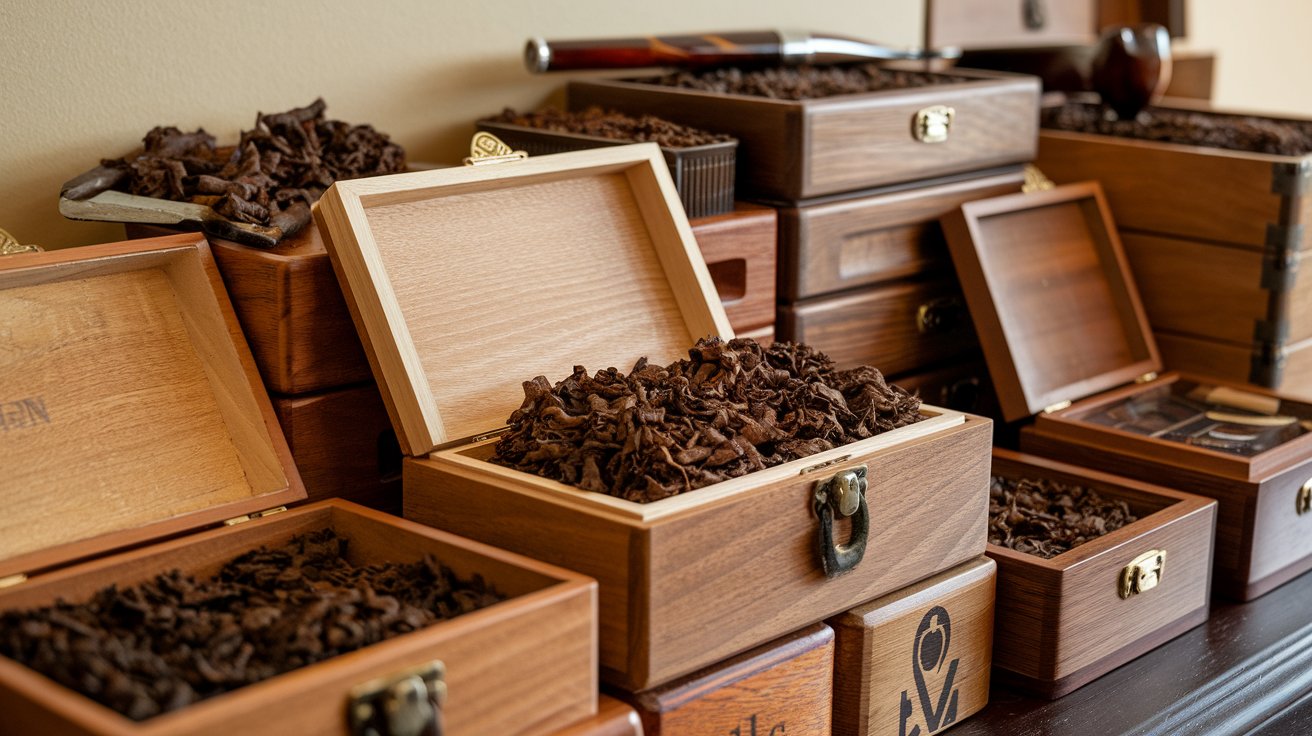
Proper pipe tobacco storage is essential for maintaining the quality, flavor, and moisture content of your tobacco collection. Whether you’re storing opened tins, bulk tobacco, or aging blends, the right storage techniques can preserve your tobacco for years while enhancing its character and preventing spoilage.
Essential Pipe Tobacco Storage Containers
The foundation of proper tobacco storage lies in choosing the right containers that provide airtight seals and protection from environmental factors. Glass mason jars remain the gold standard for home tobacco storage, offering complete visibility of your tobacco while maintaining an excellent seal. These containers are affordable, readily available throughout the United States, and provide the airtight environment necessary for long-term tobacco preservation.
Vacuum-sealed bags represent another excellent option for pipe tobacco storage, particularly for bulk purchases or long-term aging. Professional-grade vacuum sealers can remove up to 99% of air from storage bags, significantly slowing the oxidation process. Food-grade plastic containers with rubber gasket lids also work well, though they may allow minimal air exchange over extended periods compared to glass alternatives.
Glass Jar Storage Benefits
Glass jars offer superior protection for tobacco preservation because they are completely non-porous and chemically inert. Unlike plastic containers, glass won’t absorb tobacco oils or flavors, preventing cross-contamination between different blends. The clear visibility allows you to monitor your tobacco’s condition without opening the container, helping maintain optimal moisture levels.
Vacuum Sealing Techniques
When vacuum sealing pipe tobacco, divide large quantities into smaller portions to minimize air exposure when accessing your supply. Use food-grade vacuum bags specifically designed for long-term storage, as these materials are thicker and more resistant to punctures. Label each sealed package with the tobacco blend name and storage date for proper inventory management.
Optimal Storage Conditions for Pipe Tobacco
Maintaining proper environmental conditions is crucial for tobacco storage success. The ideal temperature range for pipe tobacco storage falls between 65-70°F (18-21°C), which corresponds to comfortable room temperature in most American homes. Temperatures above 75°F can accelerate tobacco aging and potentially promote mold growth, while temperatures below 60°F may slow the natural aging process that enhances tobacco flavors.
Humidity control represents the most critical factor in pipe tobacco preservation. The optimal relative humidity range for tobacco storage is 65-70%, which maintains the tobacco’s natural moisture content without creating conditions favorable for mold or bacterial growth. In the United States, basement storage often provides naturally stable temperature and humidity conditions, making it an excellent location for tobacco cellars.
Temperature Management
Consistent temperature control prevents tobacco degradation and maintains optimal smoking characteristics. Avoid storing tobacco in areas subject to temperature fluctuations, such as attics, garages, or near heating vents. Consider using a small thermometer in your storage area to monitor conditions and make adjustments as needed.
Humidity Control Methods
Professional tobacconists recommend using two-way humidity control packs designed for tobacco storage, which automatically add or remove moisture to maintain precise humidity levels. These packs, commonly available in 65% and 69% relative humidity ratings, last 2-4 months depending on storage conditions and are widely available through tobacco retailers across the United States.
Preventing Tobacco Spoilage and Contamination
Protecting your pipe tobacco investment requires vigilant attention to cleanliness and contamination prevention. Always use clean, dry hands or utensils when handling tobacco, as oils and moisture from skin contact can affect flavor and promote spoilage. Store different tobacco blends in separate containers to prevent flavor cross-contamination, particularly when storing aromatic tobaccos alongside natural blends.
Light exposure can degrade tobacco quality over time, causing flavor loss and color changes. Store tobacco containers in dark locations or use opaque containers for light-sensitive blends. Regular inspection of stored tobacco helps identify potential problems early, allowing for corrective action before significant quality loss occurs.
Long-Term Tobacco Aging and Cellaring
Many pipe tobacco enthusiasts practice tobacco cellaring, the art of aging tobacco blends to develop enhanced flavors and complexity. Proper cellaring requires consistent storage conditions maintained over months or years, with some tobacco blends improving significantly after 5-10 years of proper storage. Virginia-based tobaccos are particularly well-suited for aging, developing deeper, more complex flavors over time.
When cellaring pipe tobacco for long-term storage, consider purchasing tobacco in larger quantities to take advantage of bulk pricing while ensuring adequate supplies for extended aging periods. Document your cellaring activities with detailed records of storage dates, conditions, and tasting notes to track how different blends develop over time.
Aging Timeline Expectations
Most pipe tobacco blends show noticeable improvement after 6-12 months of proper storage, with significant flavor development occurring between 2-5 years. Virginia tobaccos often require longer aging periods to reach peak flavor, while aromatic blends may lose some of their topping flavors with extended aging.
Inventory Management Systems
Successful tobacco cellaring requires organized inventory management to track aging progress and rotation schedules. Create detailed spreadsheets or use tobacco cellar management apps to record purchase dates, storage conditions, and tasting evaluations. This documentation helps optimize your cellaring strategy and identifies which blends respond best to aging.
Storing Opened vs. Unopened Tobacco Tins
Unopened tobacco tins can remain stable for decades when stored in proper conditions, as the factory seals are designed for long-term preservation. However, once opened, tobacco tins lose their airtight seal and require immediate transfer to proper storage containers. The thin metal construction of most tobacco tins provides minimal protection against temperature fluctuations and humidity changes.
For opened tins, transfer the entire contents to airtight glass jars within 24-48 hours to prevent moisture loss and flavor degradation. Save the original tin labels for identification purposes, as many tobacco blends have subtle variations that may not be apparent from appearance alone. This practice ensures your pipe tobacco maintains optimal quality throughout its storage period.
Regional Storage Considerations for US Climates
Different regions across the United States present unique challenges for tobacco storage due to varying climate conditions. Southern states with high humidity may require dehumidification equipment to maintain optimal storage conditions, while arid western regions might need humidification to prevent tobacco from drying out. Coastal areas often experience more stable humidity levels but may require protection from salt air in some locations.
Northern climates with significant seasonal temperature variations require careful attention to storage location selection, as basements may become too cold in winter while upper floors become too warm in summer. Central heating and air conditioning systems can create dramatic humidity swings, making climate-controlled storage areas essential for serious pipe tobacco collectors in these regions.
Related video about how to store pipe tobacco
This video complements the article information with a practical visual demonstration.
Questions & Answers
How long does properly stored pipe tobacco last?
Properly stored pipe tobacco can last indefinitely when maintained in airtight containers under optimal conditions. Virginia-based blends often improve with age, while aromatic tobaccos typically maintain peak quality for 5-10 years. The key factors are consistent temperature around 65-70°F, relative humidity of 65-70%, and protection from light and air exposure.
Can I store pipe tobacco in the refrigerator or freezer?
Refrigerator storage is not recommended for pipe tobacco as the cold, dry environment removes moisture and can introduce condensation when containers are removed. Freezer storage is only acceptable for very long-term preservation (over 10 years) but requires vacuum sealing and careful temperature transition to prevent moisture damage.
What are the signs that pipe tobacco has gone bad?
Spoiled pipe tobacco typically shows visible mold growth (fuzzy white, green, or black spots), develops an unpleasant musty or sour odor, feels either completely dried out or overly moist, or exhibits unusual color changes. Any tobacco showing these signs should be discarded immediately to prevent contamination of other stored blends.
Should different tobacco blends be stored separately?
Yes, different tobacco blends should always be stored in separate containers to prevent flavor cross-contamination. Aromatic tobaccos are particularly prone to transferring their casing flavors to other blends. This separation also allows for proper aging of individual blends and makes inventory management much easier for tobacco cellaring enthusiasts.
How much pipe tobacco should I store at one time?
Store amounts based on your consumption rate and available storage space. Most pipe smokers maintain 6-12 months of regular smoking tobacco plus additional quantities for aging. A good rule is storing 2-4 ounces per blend for regular rotation, with larger quantities (8-16 ounces) reserved for cellaring and aging purposes.
What humidity control products work best for tobacco storage?
Two-way humidity control packs rated at 65-69% relative humidity work excellent for tobacco storage, automatically adding or removing moisture as needed. These packs last 2-4 months and are available from tobacco retailers nationwide. For larger collections, electric humidifiers or dehumidifiers with hygrometer controls provide more precise climate management.
| Storage Method | Key Requirements | Primary Benefit |
|---|---|---|
| Glass Jar Storage | Airtight seal, clean containers, proper labeling | Complete flavor preservation and visibility |
| Vacuum Sealing | Food-grade bags, portion control, proper labeling | Maximum air removal and long-term stability |
| Climate Control | 65-70°F temperature, 65-70% humidity, darkness | Optimal aging conditions and spoilage prevention |
| Tobacco Cellaring | Consistent conditions, inventory tracking, patience | Enhanced flavor development and complexity |