What is a Hookah Lounge: Complete Guide to US Shisha Bars
A hookah lounge is a social establishment where patrons gather to smoke flavored tobacco through traditional water pipes called hookahs or shishas. These venues combine Middle Eastern tradition with modern hospitality, offering a unique cultural experience that has gained popularity across the United States. Modern hookah lounges serve as community hubs for relaxation, conversation, and cultural exchange while providing a controlled environment for hookah smoking.
Understanding Hookah Lounges in America
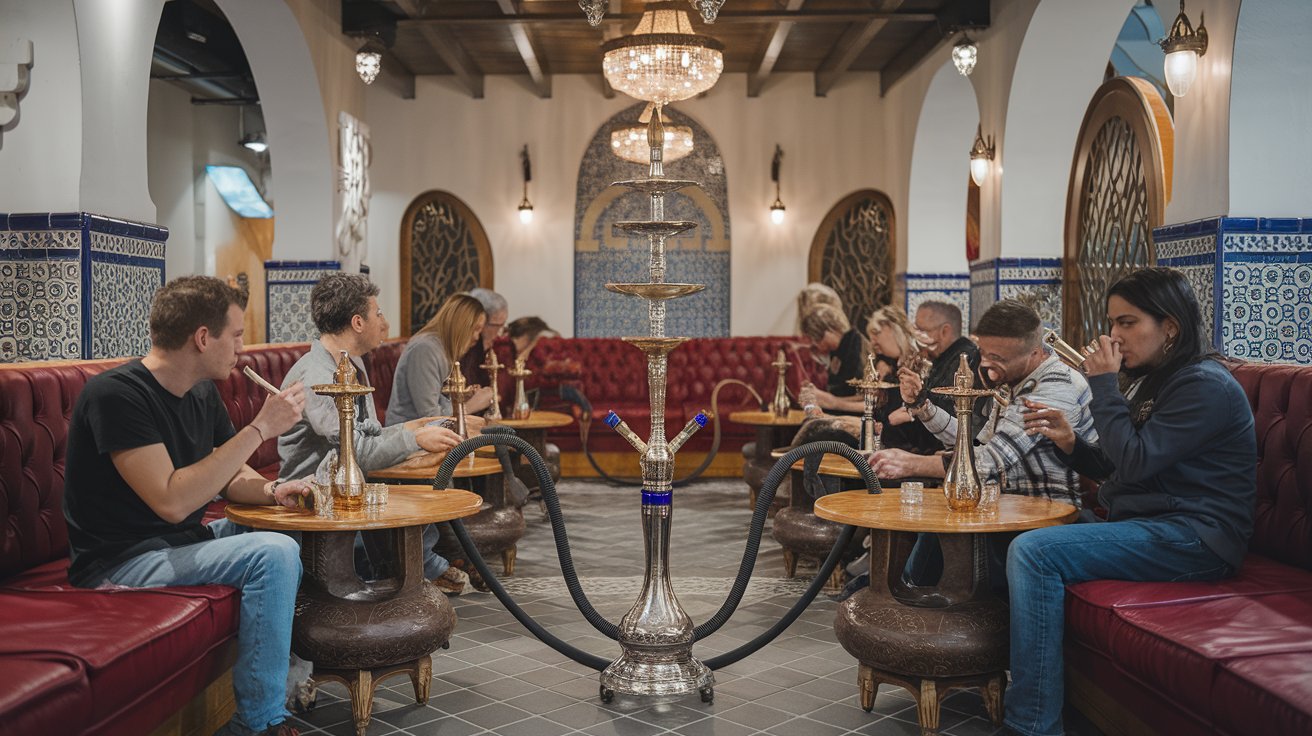
In the United States, hookah lounges represent a fusion of traditional Middle Eastern culture with contemporary American hospitality. These establishments typically feature comfortable seating areas with low tables, cushioned floor seating, and ambient lighting that creates a relaxed atmosphere. The hookah lounge experience revolves around communal smoking of flavored tobacco through elaborate water pipes, often accompanied by tea, coffee, or light snacks.
The American hookah industry has experienced significant growth since the early 2000s, with establishments adapting to local regulations and customer preferences. Unlike traditional Middle Eastern hookah cafes, US venues often incorporate modern amenities like Wi-Fi, entertainment systems, and diverse food menus to attract a broader customer base while maintaining the authentic social aspects of hookah culture.
Types of Hookah Establishments
The hookah lounge landscape in America includes several distinct types of establishments. Traditional hookah lounges focus primarily on the authentic smoking experience with minimal food service, while hookah restaurants combine full dining menus with shisha service. Some venues operate as hookah bars that serve alcoholic beverages alongside tobacco products, though this combination faces varying legal restrictions across different states.
Modern hookah cafes have emerged as popular social spaces, particularly near college campuses, offering study-friendly environments during daytime hours and social gathering spaces in the evenings. Premium hookah lounges cater to upscale clientele with luxury furnishings, high-end tobacco products, and personalized service, while casual establishments focus on affordability and accessibility for younger demographics.
Legal Framework and Regulations
Hookah lounge regulations vary significantly across the United States, with each state implementing different licensing requirements, taxation policies, and operational restrictions. As of 2024, most states require specialized tobacco retail licenses, with additional permits for establishments allowing on-premises consumption. The legal requirements often include age verification systems, ventilation standards, and compliance with local zoning ordinances.
Federal oversight through the FDA has increased since 2016, with hookah tobacco products subject to the same regulations as other tobacco products. Many states have implemented comprehensive smoking bans that affect hookah lounges, though some jurisdictions provide exemptions for dedicated tobacco establishments. Business owners must navigate complex regulatory environments that include health department inspections, fire safety compliance, and ongoing permit renewals to maintain legal operation.
Hookah Equipment and Setup
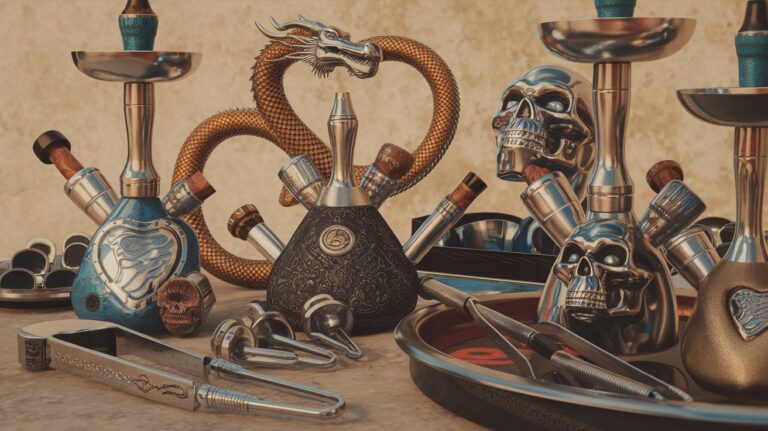
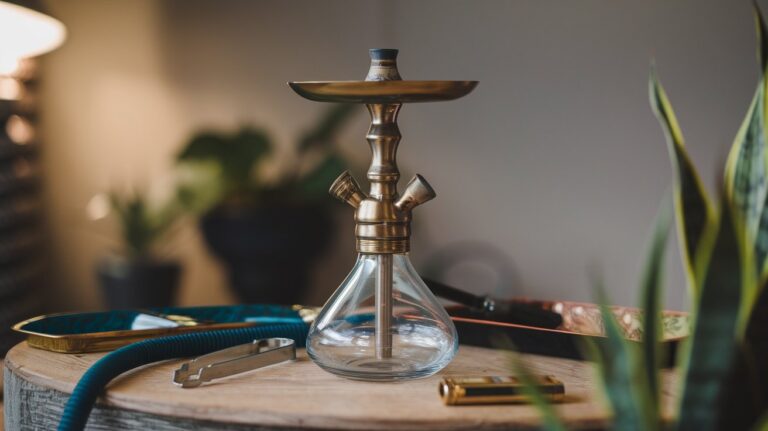
A traditional hookah setup consists of several essential components that work together to create the smoking experience. The base holds water that filters and cools the smoke, while the shaft connects to a bowl containing flavored tobacco. The hookah components include hoses for smoking, coal management systems, and various accessories that enhance functionality and aesthetics.
Modern hookah lounges typically use high-quality glass bases, stainless steel or brass stems, and food-grade silicone hoses for hygiene and durability. Professional establishments invest in commercial-grade equipment that can withstand heavy use while maintaining consistent performance. The hookah preparation process involves skilled staff who understand proper tobacco packing techniques, coal management, and heat regulation to ensure optimal smoking experiences for customers.
Tobacco Products and Flavors
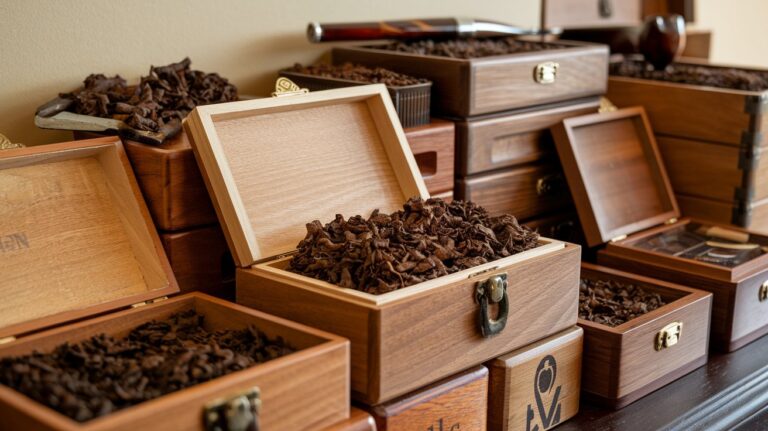
Hookah tobacco, also known as shisha or mu’assel, differs significantly from cigarette tobacco in preparation and composition. These products typically contain tobacco leaves mixed with molasses, glycerin, and various flavorings that create aromatic smoke. Popular hookah flavors in American lounges include fruit varieties like apple, grape, and watermelon, as well as exotic blends featuring mint, rose, and spice combinations.
Premium shisha brands available in US markets include Starbuzz, Fumari, and Social Smoke, which cater to American taste preferences with innovative flavor profiles. Many lounges offer custom mixing services where customers can create personalized flavor combinations, enhancing the social and creative aspects of the hookah experience. The tobacco products used in professional establishments undergo quality control measures and proper storage to maintain freshness and consistency.
Cultural and Social Aspects
The hookah culture in America represents a unique blend of traditional Middle Eastern customs and contemporary social practices. These establishments serve as gathering places for diverse communities, fostering cross-cultural interactions and providing spaces for relaxed conversation. The social hookah experience emphasizes sharing, patience, and communal enjoyment, contrasting with the individual nature of cigarette smoking.
Many hookah lounges host cultural events, live music performances, and themed nights that celebrate Middle Eastern heritage while welcoming patrons from all backgrounds. The etiquette surrounding hookah sharing includes proper hose passing techniques, respect for communal equipment, and consideration for others’ preferences. This cultural dimension has contributed to the popularity of hookah lounges as venues for celebrations, business meetings, and casual social gatherings across American communities.
Health Considerations and Safety
While hookah lounges provide social and cultural benefits, patrons should be aware of health considerations associated with tobacco use. Medical research indicates that hookah smoking carries similar health risks to other tobacco products, despite common misconceptions about water filtration providing complete protection. Professional establishments implement safety measures including proper ventilation systems, regular equipment cleaning, and adherence to health department guidelines.
Responsible hookah lounge operators provide information about health risks, maintain clean environments, and ensure proper equipment sanitization between uses. Many venues have adopted enhanced cleaning protocols following 2020 health guidelines, with increased attention to hygiene standards and customer safety. Patrons should make informed decisions about participation and consider personal health factors when visiting these establishments.
Business Operations and Economics
The hookah lounge business model relies on multiple revenue streams including hookah service fees, food and beverage sales, and entertainment offerings. Successful establishments in the US market typically generate $200,000 to $500,000 annually, depending on location, size, and local market conditions. Startup costs for hookah lounges range from $50,000 to $200,000, including equipment, licensing, renovation, and initial inventory investments.
Operational expenses include tobacco product procurement, equipment maintenance, staffing, and regulatory compliance costs. Hookah lounge profitability depends heavily on customer retention, efficient operations, and effective marketing strategies. Many successful businesses focus on creating unique atmospheres, maintaining high service standards, and building strong community connections to differentiate themselves in competitive markets across major US metropolitan areas.
Technology and Modern Innovations
Contemporary hookah lounges increasingly integrate technology to enhance customer experiences and streamline operations. Modern establishments utilize digital ordering systems, mobile payment options, and customer loyalty apps to improve service efficiency. Electronic hookah systems and heat management devices have gained popularity for their consistency and reduced maintenance requirements compared to traditional charcoal-based methods.
Social media integration plays a crucial role in hookah lounge marketing, with Instagram-worthy interior designs, interactive experiences, and digital promotion strategies attracting younger demographics. Some venues incorporate LED lighting systems, sound equipment, and climate control technology to create immersive environments. The adoption of contactless service options and digital menus has accelerated since 2020, reflecting broader hospitality industry trends toward technological modernization.
Future Trends and Industry Outlook
The hookah industry in America continues evolving with changing consumer preferences, regulatory developments, and market dynamics. Industry projections for 2024-2025 indicate steady growth in markets with favorable regulations, while challenging conditions persist in areas with restrictive policies. Emerging trends include premium experiences, health-conscious alternatives, and integration with broader entertainment and hospitality concepts.
Innovation in hookah products focuses on improved safety features, enhanced flavor delivery systems, and environmentally sustainable options. The industry faces ongoing challenges related to regulatory compliance, public health concerns, and changing social attitudes toward tobacco use. Successful hookah lounge operators adapt by diversifying offerings, emphasizing cultural and social aspects, and maintaining high standards for customer experience and safety in an evolving marketplace.
Related video about what is a hookah lounge
This video complements the article information with a practical visual demonstration.
Most asked questions about what is a hookah lounge
What age do you need to be to enter a hookah lounge?
You must be at least 21 years old to enter most hookah lounges in the United States, as they are considered tobacco establishments. Some states set the minimum age at 18, but federal regulations and local ordinances typically require 21+ verification. All patrons must provide valid government-issued photo identification upon entry, and many establishments use electronic age verification systems to ensure compliance with tobacco laws.
How much does it typically cost to smoke hookah at a lounge?
Hookah smoking at US lounges typically costs between $15-30 per hookah session, with premium flavors and locations charging up to $40. Most establishments charge per hookah rather than per person, making it economical for groups. Additional costs may include tips (15-20% standard), drinks, food, and any entertainment fees. Some lounges offer package deals, happy hour pricing, or group discounts for multiple hookahs or extended sessions.
Is hookah smoking allowed indoors at lounges?
Indoor hookah smoking is permitted at licensed hookah lounges in most US states, as these establishments typically qualify for tobacco retail exemptions to smoking bans. However, regulations vary significantly by state and municipality. Some areas require separate ventilation systems, designated smoking areas, or complete outdoor smoking policies. Always verify local laws and establishment policies, as some venues may be tobacco-free or operate under special permits with specific restrictions.
Can you bring your own hookah tobacco to a lounge?
Most hookah lounges prohibit outside tobacco products due to liability concerns, licensing requirements, and business policies. Establishments must use products from licensed distributors and maintain quality control over their offerings. Some venues may allow personal hookahs with their tobacco, but policies vary widely. It’s best to contact the lounge directly about their specific policies regarding outside products, as violations can result in removal or legal issues for both customers and the business.
What should first-time visitors expect at a hookah lounge?
First-time visitors should expect a relaxed, social atmosphere with comfortable seating and ambient lighting. Staff will help select tobacco flavors, explain proper smoking techniques, and manage the hookah setup. Sessions typically last 45-90 minutes, with staff maintaining coals and equipment. Most lounges provide instruction on sharing etiquette, hose handling, and proper smoking methods. Expect to provide ID for age verification and potentially wait for seating during peak hours, especially on weekends.
Do hookah lounges serve food and drinks?
Many hookah lounges serve food and beverages ranging from traditional Middle Eastern cuisine to American fare. Common offerings include appetizers, sandwiches, tea, coffee, and soft drinks. Some establishments operate full restaurants with extensive menus, while others focus on light snacks and beverages. Alcohol availability varies by location and licensing, with some lounges holding liquor licenses while others remain alcohol-free. Menu options and pricing vary significantly between establishments and regions.
| Key Aspect | Important Details | Benefit |
|---|---|---|
| Cultural Experience | Middle Eastern tradition in American setting | Cross-cultural learning and social connection |
| Social Environment | Communal spaces for relaxation and conversation | Stress relief and community building |
| Legal Operation | Licensed establishments with regulated products | Safe, controlled environment for tobacco use |
| Business Model | Multiple revenue streams and service options | Diverse entertainment and dining experiences |