How Much Nicotine Is In Shisha? Complete 2025 Guide
Understanding how much nicotine is in shisha is crucial for hookah users making informed decisions about their smoking habits. Shisha tobacco typically contains 0.2% to 2% nicotine by weight, significantly lower than cigarettes but still present in meaningful amounts. The actual nicotine absorbed during a hookah session varies based on tobacco brand, session duration, and smoking technique.
Nicotine Content in Different Shisha Brands
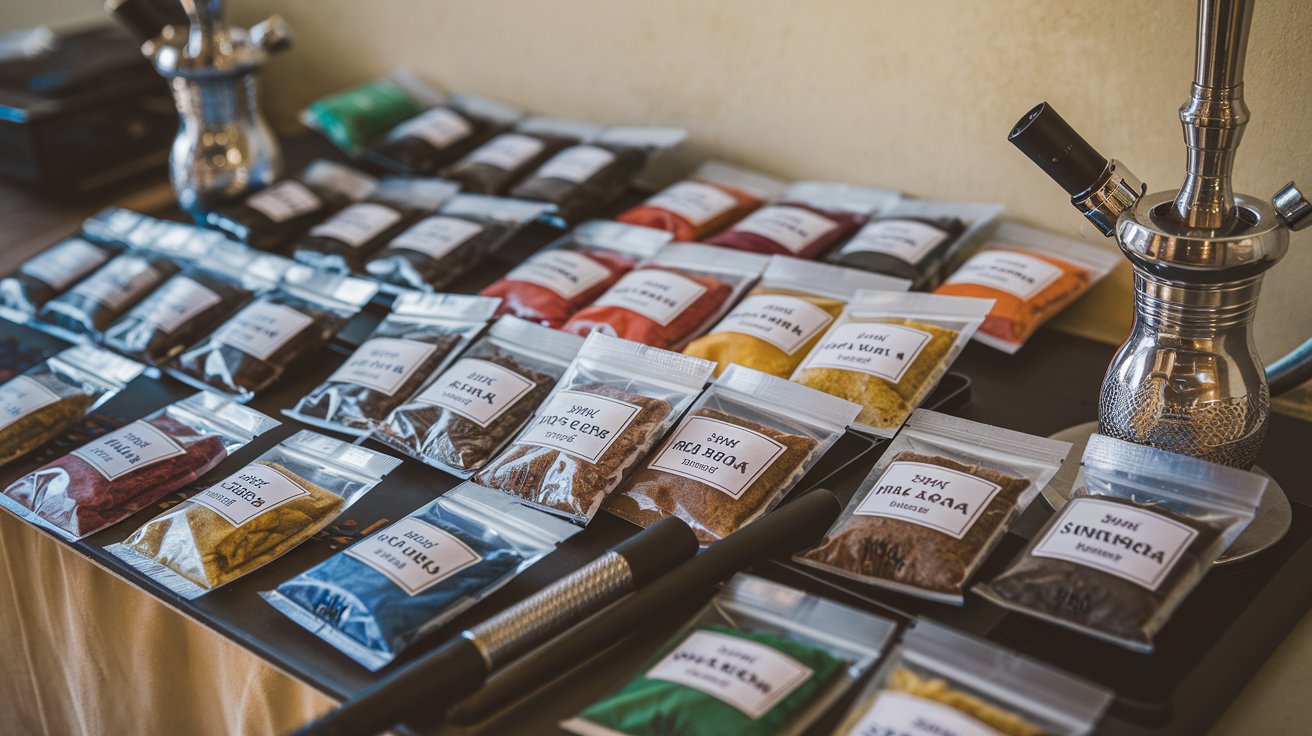
The nicotine levels in shisha tobacco vary significantly between manufacturers and product lines. Premium brands like Al Fakher typically contain 0.3% to 0.5% nicotine, while stronger varieties such as Tangiers can reach up to 2% nicotine content. American brands like Starbuzz generally maintain lower nicotine levels around 0.2% to 0.4%, catering to casual smokers who prefer milder experiences.
Herbal shisha alternatives marketed as nicotine-free hookah tobacco contain zero nicotine but may still pose health risks from other compounds. These products use molasses, glycerin, and flavorings without tobacco leaves, making them popular among users seeking to avoid nicotine entirely while maintaining the social hookah experience.
Popular Brand Nicotine Comparison
Al Fakher leads the market with consistent 0.3% nicotine content across most flavors, making it predictable for regular users. Adalya Turkish tobacco contains approximately 0.4% nicotine, while Social Smoke maintains lower levels at 0.25%. Tangiers Noir line reaches the highest commercial levels at 1.8% to 2% nicotine, requiring experienced users due to its potency and complex preparation requirements.
Flavor Impact on Nicotine Levels
Fruit flavors typically maintain standard nicotine concentrations without significant variation, as flavoring agents don’t affect tobacco alkaloid content. Mint and menthol varieties may feel stronger due to cooling sensations but contain identical nicotine levels to their unflavored counterparts. Dark leaf tobacco flavors often contain higher nicotine naturally, as they use less processed tobacco leaves with preserved alkaloid content.
Hookah vs Cigarette Nicotine Absorption
A typical hookah session delivers approximately 1.7 to 3.6 milligrams of absorbed nicotine, while a single cigarette provides 1 to 2 milligrams. However, hookah sessions last 45-60 minutes compared to 5-7 minutes for cigarettes, resulting in prolonged nicotine exposure. The water filtration in hookahs reduces some nicotine absorption but doesn’t eliminate it entirely, contrary to popular misconceptions among casual users.
Research from the American University of Beirut indicates that one hookah session equals 10-40 cigarettes in terms of smoke volume, though nicotine absorption rates differ due to smoking patterns and filtration effects. The intermittent puffing style of hookah smoking creates different blood nicotine curves compared to the rapid, deep inhalation typical of cigarette smoking.
Factors Affecting Nicotine Intake
Session duration significantly impacts total nicotine consumption from shisha, with longer sessions naturally increasing absorption. Heat management affects nicotine release, as higher temperatures volatilize more alkaloids from tobacco leaves. The number of participants sharing a hookah dilutes individual nicotine exposure, while solo sessions concentrate the full dose in one person.
Bowl packing density influences nicotine delivery rates, with tighter packs often burning hotter and releasing more alkaloids. Water level and cleanliness affect filtration efficiency, though even clean water removes only minimal nicotine content. Charcoal type and quantity create temperature variations that directly impact how much nicotine becomes available for inhalation during each puff.
Session Duration and Frequency Effects
Regular hookah users often underestimate cumulative nicotine exposure from frequent sessions. Daily hookah smoking can result in nicotine dependence similar to cigarette addiction, despite the perception of hookah being less addictive. Weekend-only users typically experience minimal dependence but still face acute nicotine effects during extended social smoking sessions.
Individual Metabolism Variations
Genetic factors influence how quickly individuals metabolize nicotine, with some people clearing it from their systems in 2-3 hours while others require 8-12 hours. Body weight and liver function affect processing speed, making nicotine effects more pronounced in smaller individuals or those with reduced liver capacity. Age also plays a role, as younger users often experience stronger effects from equivalent nicotine doses.
Health Implications of Shisha Nicotine
The nicotine in hookah tobacco carries identical health risks to cigarette nicotine, including cardiovascular effects and addiction potential. Regular hookah use can increase heart rate and blood pressure acutely, with chronic use potentially contributing to long-term cardiovascular problems. The misconception that hookah is safer than cigarettes often leads to underestimating nicotine-related health impacts among casual users.
Addiction potential varies based on frequency of hookah use and individual susceptibility factors. Social hookah smoking patterns may delay recognition of dependence, as users associate the habit with social activities rather than nicotine craving. Withdrawal symptoms from regular hookah use mirror those of cigarette cessation, including irritability, difficulty concentrating, and physical cravings.
Measuring and Testing Nicotine Content
Laboratory testing methods for shisha nicotine content use gas chromatography and mass spectrometry to provide precise measurements. Home testing kits are unreliable for hookah tobacco due to the complex mixture of tobacco, molasses, and flavorings that can interfere with results. Professional testing remains the only accurate method for determining exact nicotine levels in specific shisha products.
Regulatory requirements in the United States mandate nicotine content disclosure on tobacco products, though enforcement varies for imported hookah tobacco brands. The FDA’s tobacco regulations cover hookah tobacco but implementation challenges mean not all products display accurate nicotine information. Consumers should rely on established brands with consistent testing and transparent labeling practices.
FDA Regulations and Testing Standards
Current FDA regulations require hookah tobacco manufacturers to register products and report nicotine content levels for compliance. Testing standards specify moisture content, pH levels, and alkaloid measurements to ensure accurate nicotine reporting. However, enforcement challenges with imported products mean some shisha brands may not comply with full testing requirements, creating uncertainty for consumers.
Consumer Testing Options
Professional laboratory services can test personal shisha tobacco samples for approximately $50-100 per test, though most casual users find this cost prohibitive. Some hookah lounges maintain relationships with testing facilities to verify product safety and nicotine content. Independent testing becomes more practical for bulk purchasers or commercial establishments serving hookah to customers.
Reducing Nicotine Exposure While Smoking Hookah
Limiting session duration represents the most effective method for reducing total nicotine intake from hookah while maintaining the social experience. Choosing lighter tobacco blends with lower nicotine content can significantly decrease exposure without eliminating the activity entirely. Sharing sessions among more participants naturally reduces individual nicotine consumption through diluted exposure patterns.
Using herbal alternatives intermixed with regular tobacco can lower overall nicotine concentration in the bowl while preserving familiar flavors and smoking characteristics. Some experienced users alternate between nicotine-containing and herbal sessions to reduce dependence while maintaining their hookah routine. Heat management techniques that prevent tobacco from burning can also minimize nicotine release during sessions.
Related video about how much nicotine is in shisha
This video complements the article information with a practical visual demonstration.
Your questions answered
How much nicotine is absorbed in one hookah session?
A typical hookah session delivers 1.7 to 3.6 milligrams of absorbed nicotine, depending on session length, tobacco type, and smoking technique. This compares to 1-2 milligrams from a single cigarette, but hookah sessions last much longer, potentially increasing total exposure.
Is shisha nicotine the same as cigarette nicotine?
Yes, nicotine in shisha tobacco is chemically identical to cigarette nicotine and carries the same health risks and addiction potential. The main difference lies in delivery method and absorption rates, not the nicotine molecule itself.
Can you get addicted to hookah nicotine?
Yes, regular hookah use can lead to nicotine addiction similar to cigarettes. The addiction potential depends on frequency of use, session duration, and individual susceptibility. Social smoking patterns may mask early signs of dependence.
Do herbal shisha alternatives contain nicotine?
Genuine herbal shisha contains zero nicotine as it’s made from molasses, glycerin, and flavorings without tobacco leaves. However, some products labeled as herbal may still contain tobacco, so checking ingredients is essential for nicotine-free options.
How long does hookah nicotine stay in your system?
Nicotine from hookah typically clears from the bloodstream within 6-8 hours for most people, though metabolites can be detected for 24-72 hours. Individual factors like body weight, liver function, and genetics affect clearance times.
Does water filtration remove nicotine from hookah smoke?
Water filtration removes minimal nicotine from hookah smoke, contrary to popular belief. While water may trap some particles and cool the smoke, it doesn’t significantly reduce nicotine content or eliminate health risks associated with hookah smoking.
| Nicotine Source | Average Content | Key Consideration |
|---|---|---|
| Regular Shisha | 0.2-2% by weight | Brand and blend dependent |
| Hookah Session | 1.7-3.6mg absorbed | Duration affects total intake |
| Herbal Alternatives | 0% nicotine | Verify tobacco-free ingredients |
| Premium Brands | 0.3-0.5% typical | Consistent quality and testing |