Shisha vs Hookah: Key Differences Explained 2025 Guide
Many people use shisha and hookah interchangeably, but these terms have distinct meanings and cultural origins. While hookah refers to the actual water pipe device used for smoking, shisha typically describes the flavored tobacco mixture smoked through the hookah. Understanding these key differences helps clarify terminology and enhances your overall smoking experience, especially as the hookah culture continues growing across the United States.
What is a Hookah: The Water Pipe Device
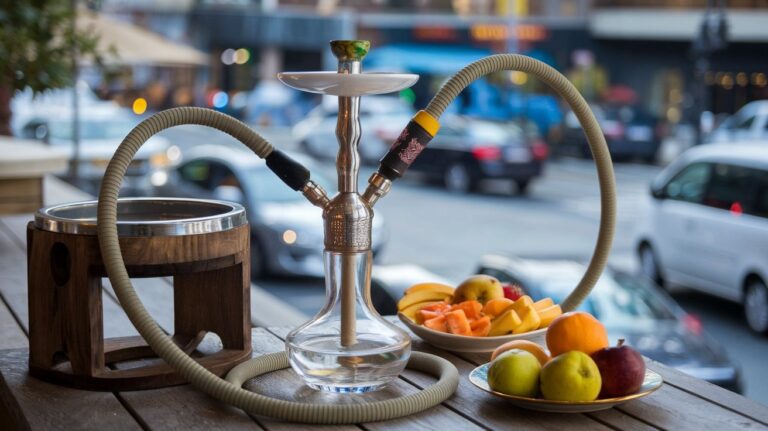
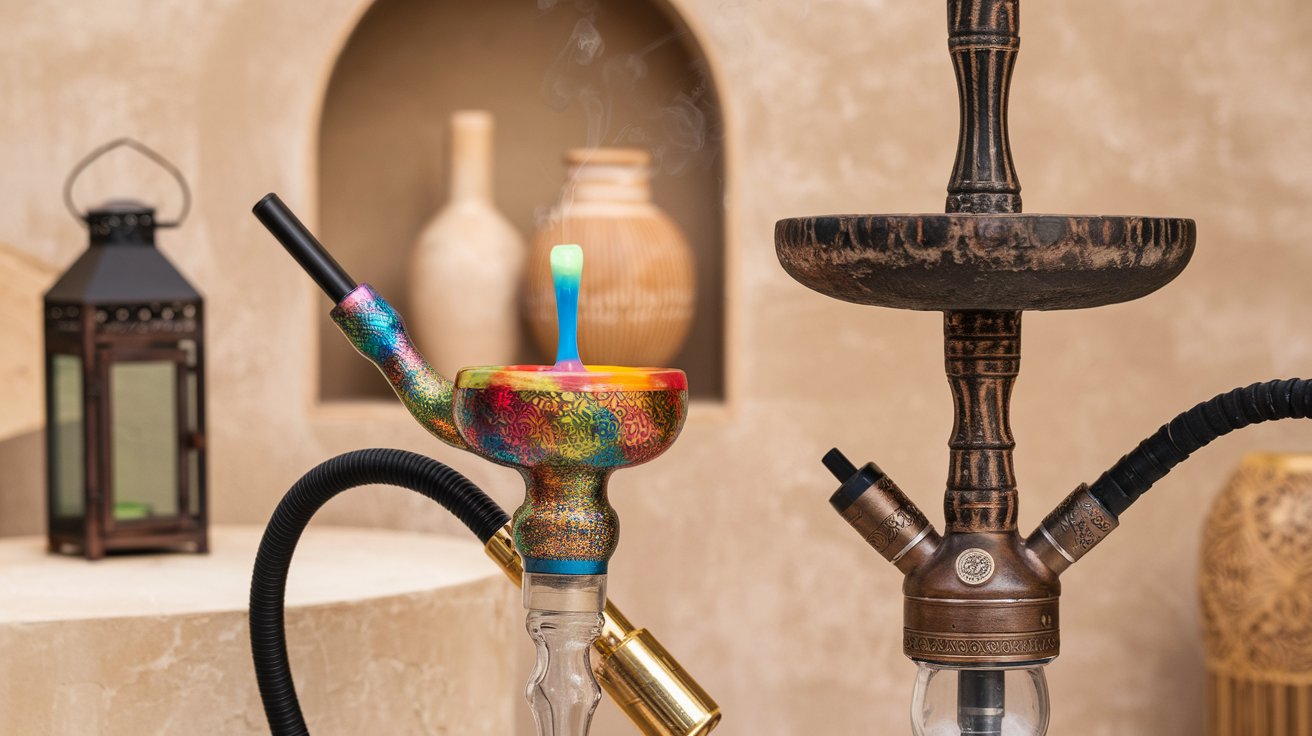
A hookah is the physical apparatus used for smoking flavored tobacco through water filtration. This traditional water pipe consists of several essential components including a bowl, stem, base, and hose system. The hookah device originated in India and Persia centuries ago and has evolved into various styles and sizes available in modern American markets.
The typical hookah stands between 12 to 36 inches tall, with larger models providing cooler smoke due to increased water filtration. Modern hookah designs incorporate materials like stainless steel, brass, and borosilicate glass, offering improved durability and aesthetic appeal compared to traditional clay and wood versions used historically.
What is Shisha: The Flavored Tobacco Mixture
Shisha refers to the sweetened tobacco mixture specifically prepared for hookah smoking. This blend typically contains tobacco leaves, molasses or honey, glycerin, and various flavorings that create the distinctive taste and aroma. The term shisha tobacco encompasses hundreds of flavor varieties available in the United States, from traditional mint and apple to modern combinations like blue mist and tropical fusion.
Quality shisha preparation involves careful moisture content management and proper heat distribution to ensure optimal flavor delivery and smoke production. Premium shisha brands invest significant resources in tobacco selection and flavor development, resulting in consistent quality that appeals to American consumers seeking authentic Middle Eastern smoking experiences.
Popular Shisha Flavors in the US Market
American hookah lounges and retailers offer extensive shisha flavor selections catering to diverse taste preferences. Top-selling varieties include double apple, mint, watermelon, and grape, while innovative brands introduce seasonal flavors and limited-edition blends. The flavored tobacco market continues expanding with options like dessert-inspired mixtures and tropical fruit combinations that appeal to younger demographics.
Shisha Quality and Preparation Standards
Premium shisha quality depends on tobacco leaf selection, moisture retention, and cut consistency. Proper preparation involves fluffing the tobacco in the bowl without overpacking, ensuring adequate airflow for optimal heat distribution. Professional hookah preparers emphasize the importance of heat management systems and quality charcoal to preserve shisha flavors and prevent burning.
Cultural Origins and Regional Terminology Differences
The cultural distinction between hookah and shisha reflects geographical and linguistic variations across Middle Eastern and South Asian regions. In Arabic-speaking countries, the water pipe device is often called argileh or nargileh, while the tobacco mixture retains the shisha designation. Turkish cultures refer to the apparatus as nargile, and Indian regions use terms like hukka or chillum.
American hookah culture has adopted mixed terminology from various immigrant communities, leading to common confusion between device and tobacco references. Understanding these regional differences enhances cultural appreciation and helps consumers navigate hookah lounge menus and retail product descriptions more effectively throughout the United States.
Physical Components: Hookah Parts vs Shisha Elements
The hookah apparatus includes multiple precision-engineered components working together to create the smoking experience. Essential parts include the bowl (head), downstem, water base, hose, and mouthpiece, each contributing to smoke filtration and cooling. Modern hookah engineering incorporates advanced materials and designs that improve functionality and ease of maintenance for American consumers.
Shisha components are simpler but equally important, consisting primarily of processed tobacco leaves, sweeteners, and flavor additives. The tobacco undergoes specific cutting and moisture treatment processes to achieve optimal burning characteristics and flavor release. Quality shisha manufacturing requires precise ingredient ratios and aging processes that develop complex flavor profiles appreciated by experienced hookah enthusiasts.
Hookah Hardware Categories and Features
Modern hookah categories include traditional brass models, contemporary stainless steel designs, and portable travel versions suitable for outdoor use. High-end models feature multiple hose connections, LED lighting systems, and premium materials that enhance both performance and aesthetic appeal. American retailers stock hookah accessories including heat management devices, specialty bowls, and custom hose options that personalize the smoking experience.
Shisha Preparation and Storage Requirements
Proper shisha storage maintains optimal moisture levels and prevents flavor degradation over time. Sealed containers stored in cool, dry environments preserve tobacco quality for extended periods, while exposure to air and heat quickly diminishes flavor intensity. Professional establishments implement shisha rotation systems ensuring fresh product availability and consistent customer experiences across American hookah lounges.
Usage and Preparation Differences
The hookah setup process involves assembling the water pipe, filling the base with appropriate water levels, and ensuring proper seal connections between components. This preparation focuses on mechanical assembly and functionality testing to guarantee optimal smoke delivery. Hookah maintenance requires regular cleaning of all components, especially the downstem and hoses, to prevent flavor contamination and ensure hygienic use.
Shisha preparation emphasizes tobacco handling techniques, bowl packing methods, and heat management strategies. Experienced users develop specific routines for fluffing tobacco, creating proper airflow channels, and managing coal placement for consistent flavor delivery. The art of shisha preparation significantly impacts the overall smoking experience and requires practice to master effectively.
Market Availability and Pricing in the United States
Hookah prices in the US range from $30 for basic models to over $300 for premium artisan pieces, with mid-range options between $80-150 offering good quality and durability. Online retailers and specialty shops stock extensive selections catering to different budgets and preferences. The American hookah market has grown significantly since 2020, with increased demand driving competitive pricing and expanded product availability.
Shisha pricing varies based on brand reputation, flavor complexity, and tobacco quality, typically ranging from $8-25 per 50-gram package. Premium brands command higher prices due to superior tobacco selection and unique flavor development processes. Bulk purchasing options and shisha subscription services have emerged to serve regular consumers seeking convenience and cost savings in the expanding US market.
Regional Price Variations and Availability
Geographic pricing differences reflect local regulations, shipping costs, and market competition across different US states. Urban areas with established hookah lounge scenes typically offer better selection and competitive pricing compared to rural regions with limited specialty retailers. Online purchasing options help equalize access, though shipping restrictions for tobacco products vary by state legislation and carrier policies.
Brand Recognition and Quality Indicators
Established hookah brands like Khalil Mamoon and Starbuzz command premium prices due to reputation and consistent quality standards. Consumer reviews and community recommendations heavily influence purchasing decisions in the American market. Quality indicators include construction materials, warranty coverage, and customer service reputation, helping consumers make informed investment decisions for long-term satisfaction.
Legal and Health Considerations in 2025
Current US regulations treat hookah and shisha differently under tobacco control legislation, with specific age restrictions and taxation policies affecting retail sales. The FDA’s tobacco regulations impact shisha manufacturing standards and labeling requirements, while hookah devices face fewer regulatory constraints as smoking apparatus. State-level legislation varies significantly, with some jurisdictions implementing stricter controls on hookah lounge operations and tobacco product sales.
Health awareness campaigns emphasize that shisha tobacco contains nicotine and produces tar, despite common misconceptions about water filtration effectiveness. Medical professionals recommend understanding these risks while making informed decisions about hookah use. The 2025 regulatory environment continues evolving with potential changes to tobacco product classifications and taxation structures affecting both hookah devices and shisha tobacco availability.
Related video about difference between shisha and hookah
This video complements the article information with a practical visual demonstration.
Questions & Answers
Is shisha and hookah the same thing?
No, shisha and hookah are not the same thing. Hookah refers to the water pipe device used for smoking, while shisha is the flavored tobacco mixture that goes into the hookah bowl. This distinction helps clarify terminology when purchasing products or visiting hookah lounges in the United States.
Can you use a hookah without shisha?
Technically yes, but it serves no purpose. A hookah without shisha would only produce water vapor without flavor or the intended smoking experience. Some people use herbal alternatives or steam stones as shisha substitutes, but traditional flavored tobacco remains the standard choice for authentic hookah sessions.
What is stronger: cigarettes or shisha tobacco?
Shisha tobacco typically contains similar nicotine levels to cigarettes, but the smoking session duration affects total nicotine intake. A typical hookah session lasts 30-60 minutes compared to 5-10 minutes for a cigarette, potentially resulting in higher overall nicotine consumption despite lower concentration per puff.
How long does shisha tobacco last once opened?
Properly stored shisha tobacco maintains quality for 6-12 months after opening when kept in airtight containers away from direct sunlight and extreme temperatures. Glycerin-rich varieties tend to last longer than drier blends, and refrigeration can extend shelf life while preserving flavor intensity.
Do I need special charcoal for hookah smoking?
Yes, natural coconut charcoal is recommended over quick-light varieties for better flavor and safer smoking. Natural charcoal burns cleaner without chemical additives, doesn’t interfere with shisha flavors, and provides more consistent heat management during extended smoking sessions popular in American hookah culture.
What size hookah is best for beginners?
Medium-sized hookahs between 18-24 inches tall offer the best balance of performance and portability for beginners. These models provide adequate smoke cooling and filtration while remaining manageable for setup and cleaning. Smaller hookahs are portable but may produce harsher smoke, while larger models require more maintenance experience.
| Key Aspect | Hookah | Shisha |
|---|---|---|
| Definition | Water pipe smoking device | Flavored tobacco mixture |
| Price Range | $30-$300+ one-time purchase | $8-$25 per 50g package |
| Lifespan | Years with proper maintenance | 6-12 months once opened |
| Primary Function | Smoke filtration and delivery | Flavor and tobacco content |