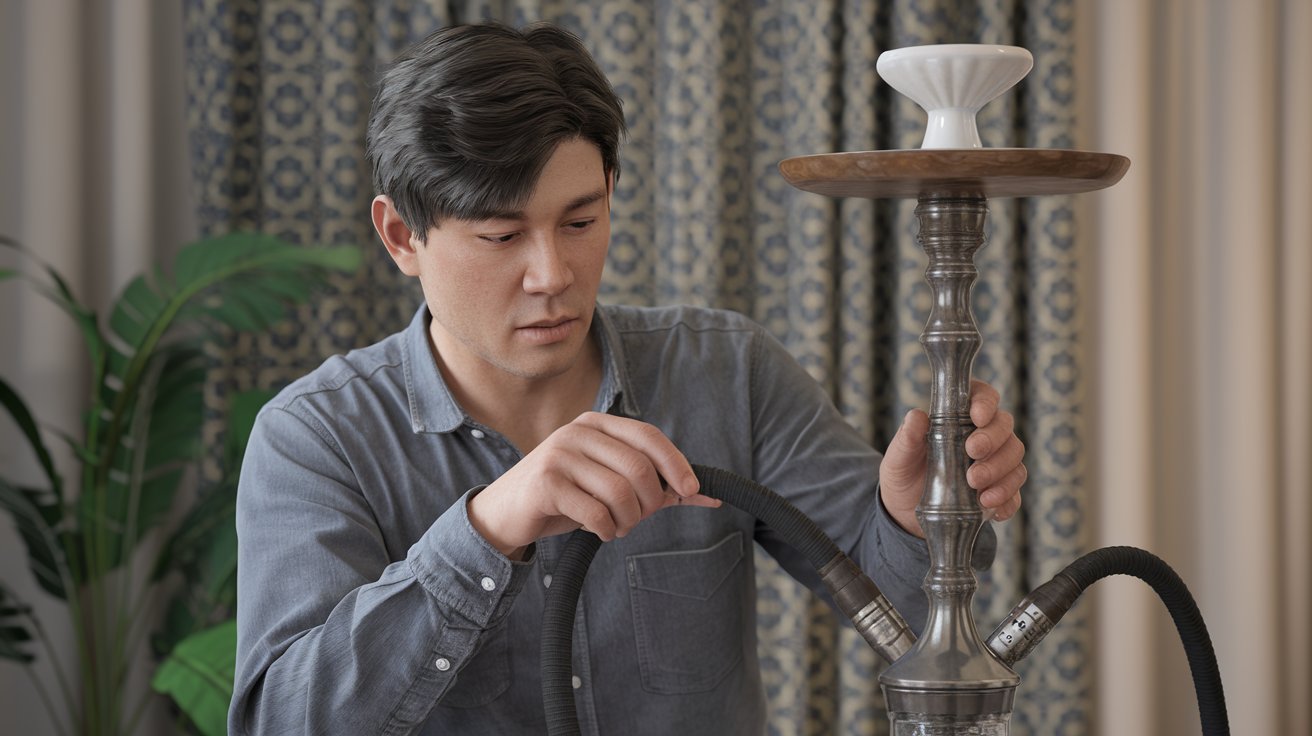
How to Set Up a Hookah: Complete Beginner’s Guide 2025
Setting up a hookah properly is essential for enjoying smooth, flavorful smoke sessions. This comprehensive guide walks you through every step of hookah assembly, from preparing the base to packing the bowl, ensuring you get the most out of your hookah setup whether you’re a beginner or looking to refine your technique.
Essential Hookah Components and Parts
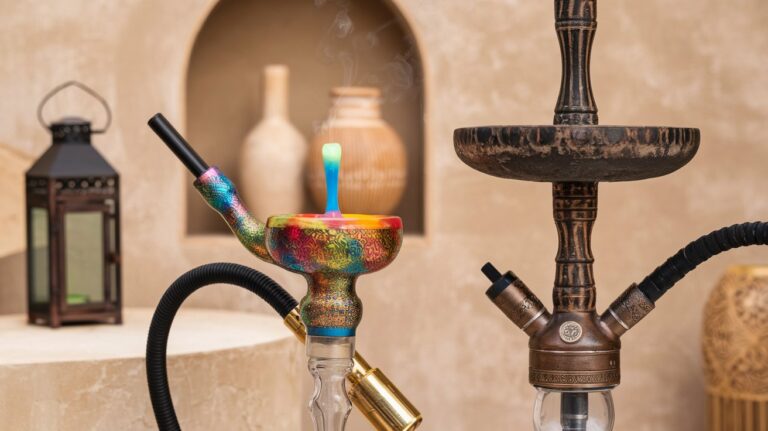
Understanding your hookah components is crucial before beginning the setup process. A traditional hookah consists of four main parts: the base (vase), stem, bowl, and hose. The base holds water that filters and cools the smoke, while the stem connects all components and provides the pathway for smoke. The bowl holds the tobacco or shisha, and the hose allows you to draw the smoke.
Modern hookahs in 2024 often include additional accessories like diffusers for smoother draws, multiple hose adapters, and heat management devices. Quality materials matter significantly – stainless steel stems resist corrosion better than brass, and thick glass bases provide better stability. Investing in proper components ensures your hookah setup delivers consistent performance and longevity.
Preparing the Hookah Base and Water Level
The first step in how to set up a hookah involves preparing the base with the correct water level. Fill the base with cold water until it covers approximately 1-2 inches of the stem’s bottom. This water level provides optimal filtration without creating excessive drag when drawing smoke. Cold water enhances the cooling effect, making your smoking session more pleasant.
Many enthusiasts add ice cubes to further cool the smoke, especially during summer months. Some advanced users experiment with different liquids like milk or fruit juices, though water remains the most effective and safest option. Avoid overfilling the base as this can cause water to enter the hose, while underfilling reduces filtration effectiveness. The proper water level setup is fundamental for achieving smooth, enjoyable sessions.
Assembling the Hookah Stem and Connections
Proper stem assembly ensures airtight connections essential for optimal performance. Insert the stem into the base, ensuring the downstem extends into the water at the correct depth. Most modern hookahs use rubber grommets to create secure, airtight seals between the stem and base. If your hookah lacks proper grommets, wet paper towels can serve as temporary sealing material.
Check all connection points for air leaks by covering the bowl port and drawing through the hose. Any whistling sounds indicate loose connections that need attention. The stem should sit firmly in the base without wobbling. Tighten all threaded connections carefully to avoid cross-threading, which can damage your hookah components permanently. A properly assembled stem forms the foundation of your entire hookah setup.
Hookah Bowl Preparation and Packing Techniques
The bowl preparation stage significantly impacts your smoking experience. Begin by selecting the appropriate bowl type – clay bowls retain heat well and are ideal for beginners, while silicone bowls offer durability and easy cleaning. Ensure the bowl sits securely on the stem with proper grommet sealing to prevent air leaks.
Bowl packing technique varies depending on your tobacco type and desired session length. For traditional shisha tobacco, create a light, fluffy pack that allows airflow while maintaining contact with the foil or heat management device. Avoid overpacking, which restricts airflow and creates harsh smoke. The tobacco should sit slightly below the bowl rim to prevent direct contact with coals, ensuring even heat distribution throughout your session.
Different Packing Methods for Various Tobacco Types
Different tobacco packing methods suit various shisha brands and cuts. Blonde leaf tobaccos like Al Fakher require lighter packing to prevent burning, while dark leaf tobaccos can handle denser packing. Sprinkle the tobacco loosely for blonde leaves, ensuring air pockets remain throughout. For dark leaves, pack slightly firmer while maintaining airflow channels.
Creating Proper Airflow Channels
Proper airflow channels are essential for consistent heat distribution and smooth draws. Use a toothpick or poker to create small holes in the packed tobacco, extending from the bowl’s center to its edges. These channels prevent tobacco from blocking the bowl’s holes and ensure even heating. Avoid creating too many holes, which can cause harsh smoke and rapid burning.
Foil Application and Heat Management Setup
Applying hookah foil correctly is crucial for heat regulation and flavor preservation. Use heavy-duty aluminum foil, stretching it tightly across the bowl’s opening. The foil should be taut enough to bounce a coin, preventing sagging that could cause tobacco to touch and burn. Secure the foil around the bowl’s rim, ensuring complete coverage.
Create holes in the foil using a thumbtack or specialized poker, starting from the center and working outward. Hole spacing affects heat distribution – closer holes provide more heat, while wider spacing offers gentler heating. Modern heat management devices like Kaloud Lotus or Provost offer superior temperature control compared to traditional foil methods, making them popular choices for consistent sessions in 2024.
Coal Selection and Lighting Procedures
Choosing the right hookah coals dramatically impacts your smoking experience. Natural coconut coals are the gold standard in 2024, offering clean burning, long-lasting heat without chemical additives. Quick-light coals contain accelerants for faster igniting but can impart unwanted flavors. For optimal results, invest in high-quality natural coals despite the longer lighting time.
Proper coal lighting technique ensures complete combustion and eliminates harmful chemicals. Use a coal burner or gas stove to heat natural coals until they glow uniformly red-orange with no black spots visible. This process typically takes 8-12 minutes depending on coal size. Never use partially lit coals, as incomplete combustion creates harsh smoke and potential health risks.
Coal Placement and Heat Management
Strategic coal placement controls heat distribution across the bowl. Begin with 2-3 coals placed around the bowl’s perimeter, avoiding the center initially. This placement method allows gradual heating and prevents burning the tobacco directly underneath. Rotate coals every 15-20 minutes to maintain even heating and extend coal life.
Adjusting Heat Throughout Your Session
Effective heat adjustment techniques maintain optimal temperature throughout extended sessions. As coals ash over and lose intensity, move them closer to the bowl’s center or add fresh coals. If the smoke becomes harsh or tastes burnt, remove a coal temporarily or increase distance from the bowl. Monitoring heat levels ensures consistent flavor and smooth smoke production.
Hose Connection and Testing Setup
Connecting your hookah hose properly ensures optimal draw resistance and air seal integrity. Insert the hose firmly into the designated port, using grommets if available to create airtight connections. Modern hookahs often feature screw-in hose adapters that provide superior sealing compared to traditional push-fit designs.
Test your complete hookah setup by covering the bowl and drawing through the hose. You should feel strong suction with no air leaks. If air enters through unwanted areas, check all connection points and tighten or re-seal as necessary. Multiple hose setups require special attention to unused ports, which must be plugged to maintain proper suction across all active hoses.
Final Assembly Check and Session Start
Before lighting coals, perform a comprehensive hookah assembly check to ensure optimal performance. Verify water level covers the downstem adequately, confirm all connections are airtight, and ensure the bowl sits securely with proper foil or heat management device placement. This final inspection prevents common issues that could ruin your session.
Begin your session by placing heated coals on the prepared setup and allowing 2-3 minutes for the tobacco to warm up. Initial draws should produce light, flavorful smoke that gradually intensifies as the hookah reaches optimal temperature. If smoke production seems low, check for air leaks or adjust coal placement. Proper setup typically yields 60-90 minutes of consistent smoking enjoyment.
Common Setup Mistakes and Troubleshooting
Avoiding common hookah setup mistakes saves time and improves your overall experience. Overpacking the bowl restricts airflow and creates harsh smoke, while underpacking leads to poor flavor and short sessions. Water level errors either cause flooding (too high) or insufficient filtration (too low). Air leaks at connection points result in weak draws and poor smoke production.
Troubleshooting techniques address typical problems quickly. If smoke tastes harsh, reduce heat by removing coals or increasing distance from the bowl. Weak smoke production usually indicates air leaks or insufficient heat. Flooding issues occur when water enters the hose due to overfilling or excessive drawing force. Regular maintenance and proper setup procedures prevent most common problems.
Maintenance and Cleaning for Optimal Performance
Regular hookah maintenance extends equipment life and ensures consistent performance. Clean the base after each use with warm water and mild soap, removing any residue that could affect taste. The stem requires weekly deep cleaning with specialized brushes to remove built-up residue from the interior pathways.
Monthly maintenance should include inspecting all grommets for wear and replacing them as needed. Proper hookah storage in dry conditions prevents rust and corrosion of metal components. Modern stainless steel hookahs require less maintenance than traditional brass models, making them popular choices for frequent users in 2024. Consistent cleaning habits maintain optimal flavor quality and extend your hookah’s lifespan significantly.
Related video about how to set up a hookah
This video complements the article information with a practical visual demonstration.
Most asked questions about how to set up a hookah
How much water should I put in my hookah base?
Fill the hookah base with enough water to cover 1-2 inches of the downstem. This provides optimal filtration and cooling without creating excessive drag. Using cold water enhances the cooling effect, while ice cubes can further improve the smoking experience during warmer weather.
What type of coals should I use for my hookah?
Natural coconut coals are the best choice for hookah smoking. They burn cleanly without chemical additives, last longer than quick-light coals, and don’t impart unwanted flavors. While they take 8-12 minutes to light completely, the superior taste and smoking experience make them worth the extra time.
How do I know if my hookah is properly assembled?
Test your hookah assembly by covering the bowl and drawing through the hose. You should feel strong suction with no air entering through unwanted areas. Check that the water level covers the downstem properly, all connections are airtight, and the bowl sits securely with proper grommet sealing.
Why is my hookah producing harsh or burnt-tasting smoke?
Harsh smoke usually results from too much heat, overpacked tobacco, or coals placed too close to the bowl. Remove a coal temporarily, check your packing technique, and ensure coals are positioned around the bowl’s perimeter rather than directly in the center. Proper heat management is key to smooth smoke production.
How often should I clean my hookah?
Clean the hookah base after each use with warm water and mild soap. Perform weekly deep cleaning of the stem using specialized brushes, and inspect grommets monthly for wear. Regular maintenance prevents buildup that affects taste and extends your hookah’s lifespan significantly.
Can I use different liquids instead of water in my hookah base?
While some people experiment with milk or fruit juices, water remains the most effective and safest option for hookah bases. Water provides optimal filtration and cooling without introducing additional health risks or cleaning complications. Cold water with ice cubes offers the best balance of safety and performance enhancement.
| Setup Component | Key Requirements | Performance Impact |
|---|---|---|
| Water Level | 1-2 inches covering downstem | Optimal filtration and cooling |
| Bowl Packing | Light, fluffy with airflow channels | Smooth draws and even heating |
| Coal Selection | Natural coconut coals fully lit | Clean taste and long sessions |
| Heat Management | Perimeter placement with rotation | Consistent flavor throughout |
| Connection Sealing | Airtight grommets at all joints | Strong draws and efficient smoking |