How to Pack a Hookah: Complete Step-by-Step Guide 2025
Learning how to pack a hookah correctly is essential for enjoying smooth, flavorful sessions. Proper packing technique directly impacts smoke quality, session duration, and overall experience. This comprehensive guide covers everything from tobacco preparation to heat management, ensuring you achieve perfect results every time.
Essential Supplies for Packing Your Hookah
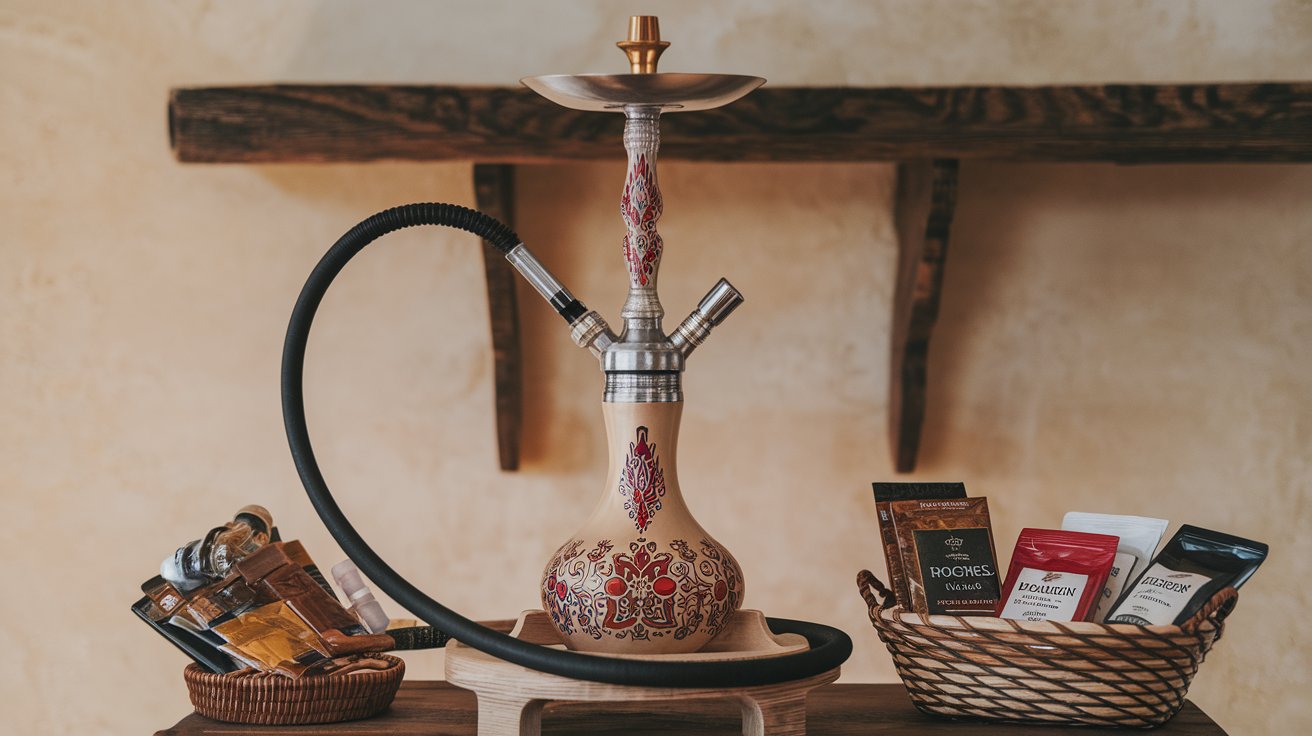
Before learning how to pack a hookah, gather all necessary supplies. You’ll need quality hookah tobacco (shisha), a clean hookah bowl, aluminum foil or heat management device, hookah coals, and basic tools like a fork or packing tool. Premium hookah tobacco brands available in the United States include Al Fakher, Fumari, and Tangiers, each offering different moisture levels and packing requirements.
Additionally, prepare fresh water for the base, ensure your hookah is completely clean, and have tongs ready for coal handling. A proper hookah setup begins with quality materials, as inferior tobacco or dirty equipment will compromise your session regardless of packing technique. Many experienced hookah enthusiasts recommend having backup supplies available, including extra foil and multiple bowl options for different tobacco types.
Tobacco Preparation and Selection
Proper tobacco preparation is crucial when learning how to pack a hookah effectively. Start by examining your shisha’s moisture content and consistency. Wet tobaccos like Al Fakher require different handling than drier blends like Tangiers. Remove excess stems and break apart any clumped tobacco pieces using clean fingers or a fork. The goal is achieving uniform tobacco consistency that packs evenly in your bowl.
For optimal results, many hookah enthusiasts recommend the acclimation process for certain tobacco brands. This involves opening the package 24-48 hours before use, allowing the tobacco to reach ideal moisture levels. Different tobacco types also require specific packing densities – blonde leaf tobaccos typically need looser packing, while dark leaf varieties benefit from denser arrangements.
Blonde Leaf vs Dark Leaf Tobacco
Blonde leaf tobacco represents the most common variety in US hookah lounges and shops. These tobaccos contain lower nicotine levels and require gentler heat management. Pack blonde leaf loosely, allowing air to flow freely through the tobacco. Popular blonde leaf brands include Al Fakher, Fumari, and Social Smoke, which typically pack best using the fluffy method.
Dark Leaf Tobacco Characteristics
Dark leaf tobaccos like Tangiers and Nakhla offer stronger nicotine content and more intense flavors. These require denser packing and higher heat tolerance. Dark leaf varieties need proper acclimation and often benefit from the dense pack method. Understanding your tobacco type is fundamental to mastering how to pack a hookah successfully.
Bowl Selection and Preparation
Choosing the right hookah bowl significantly impacts your packing success. Egyptian bowls work excellently for most blonde leaf tobaccos, while phunnel bowls excel with juicy, syrupy shishas. Vortex bowls offer versatility for various tobacco types. Before packing, ensure your bowl is completely clean and dry, as residual flavors or moisture can affect your session quality.
Bowl size also matters when determining how to pack a hookah properly. Smaller bowls require less tobacco but may provide shorter sessions, while larger bowls accommodate more tobacco for extended smoking. Consider your session goals and group size when selecting bowl size. Many US hookah enthusiasts maintain multiple bowl types for different occasions and tobacco varieties.
Egyptian Bowl Packing Method
The Egyptian bowl method involves creating a small mound of tobacco in the center while leaving the edges slightly lower. This traditional approach works excellently with most blonde leaf tobaccos. Ensure tobacco doesn’t touch the foil when properly packed, maintaining approximately 1-2mm gap for optimal heat distribution.
Phunnel Bowl Advantages
Phunnel bowls feature a central spire that prevents tobacco juices from dripping into the stem. This design works particularly well with wet, molasses-heavy tobaccos. Pack tobacco around the spire, maintaining even density while ensuring proper airflow. The phunnel design maximizes flavor retention and extends session duration.
Step-by-Step Packing Techniques
Mastering hookah packing techniques requires understanding different methods for various tobacco types. The fluffy pack method works best for blonde leaf tobaccos – gently sprinkle tobacco into the bowl, allowing natural settling without compression. Leave small gaps between tobacco pieces to promote airflow. This technique prevents harsh smoke and ensures even heating throughout your session.
For denser packing requirements, use the semi-dense pack method. Lightly press tobacco into the bowl using gentle finger pressure, creating more contact points while maintaining some air pockets. This approach works well for medium-moisture tobaccos and provides balanced smoke production. Advanced packers often combine techniques based on their specific tobacco and bowl combination.
Heat Management and Coal Placement
Effective heat management completes the hookah packing process successfully. Using natural coconut coals provides consistent, clean heat compared to quick-light alternatives. Light coals completely until glowing orange throughout, typically requiring 8-12 minutes on a coal burner. Proper coal preparation prevents bitter flavors and harsh smoke that can ruin perfectly packed tobacco.
Coal placement strategy depends on your bowl type and tobacco density. For traditional foil setups, start with 2-3 coals around the bowl’s perimeter, avoiding direct center placement initially. Heat management devices like Kaloud Lotus or Provost offer more precise temperature control. Monitor heat levels throughout your session, rotating coals every 15-20 minutes to maintain optimal temperature and prevent burning.
Foil Application Technique
When using aluminum foil, stretch it tightly across the bowl opening, creating a smooth, taut surface. Use a toothpick or similar tool to create evenly spaced holes – approximately 15-20 holes for standard bowls. Hole placement should allow adequate airflow while preventing tobacco from direct coal contact. The foil should never touch the packed tobacco.
Heat Management Device Benefits
Heat management devices provide superior temperature control compared to traditional foil methods. These devices distribute heat evenly while allowing precise adjustment throughout your session. Popular options include Kaloud Lotus, Provost, and Na-Grani, each offering unique airflow and heat distribution characteristics that enhance properly packed tobacco performance.
Common Packing Mistakes to Avoid
Understanding common hookah packing mistakes prevents session failures and wasted tobacco. Overpacking remains the most frequent error – compressed tobacco restricts airflow and creates harsh, uneven smoke. Conversely, underpacking can result in weak smoke production and short sessions. Finding the optimal balance requires practice and understanding your specific tobacco-bowl combination.
Another critical mistake involves improper heat management during the initial setup. Starting with too many coals or placing them incorrectly can burn tobacco immediately, creating bitter flavors that persist throughout the session. Additionally, using dirty bowls or contaminated water affects taste quality regardless of perfect packing technique. Maintaining clean equipment is essential for consistent results.
Troubleshooting Poor Sessions
When experiencing poor hookah performance, systematic troubleshooting identifies the root cause. Harsh smoke typically indicates excessive heat or overpacked tobacco. Reduce coal quantity or adjust placement to resolve heat-related issues. Weak smoke production usually results from insufficient heat, underpacked tobacco, or airflow restrictions. Check all connections and ensure proper coal heating.
Flavor issues often stem from contaminated equipment or stale tobacco. Replace water, clean all components thoroughly, and verify tobacco freshness. Short session duration may indicate inadequate packing density or poor heat management. Understanding these common problems helps develop troubleshooting skills essential for consistent hookah enjoyment.
Advanced Packing Methods
Experienced enthusiasts employ advanced packing techniques for specific tobacco types and desired effects. The dense pack method works excellently with dark leaf tobaccos, involving firm tobacco compression while maintaining minimal air gaps. This technique requires higher heat levels and careful monitoring but produces intense, long-lasting sessions favored by experienced smokers.
The layered packing method combines different tobacco flavors or types within a single bowl. Start with a base layer of one tobacco, add contrasting flavors in subsequent layers, and finish with complementary top notes. This advanced technique creates complex flavor profiles that evolve throughout the session, offering sophisticated smoking experiences for discerning enthusiasts.
Related video about how to pack a hookah
This video complements the article information with a practical visual demonstration.
Most asked questions about how to pack a hookah
How much tobacco should I use when packing a hookah bowl?
Typically, use 15-25 grams of tobacco depending on bowl size. Small bowls require 10-15 grams, while large bowls may need 25-35 grams. The tobacco should fill the bowl to about 1-2mm below the rim, allowing proper airflow while preventing direct coal contact. Adjust quantity based on your tobacco type and desired session length.
What’s the difference between fluffy and dense packing methods?
Fluffy packing involves lightly sprinkling tobacco without compression, ideal for blonde leaf varieties. Dense packing requires gentle compression, creating more tobacco contact points suitable for dark leaf tobaccos. Fluffy packing promotes airflow and prevents harsh smoke, while dense packing provides stronger flavors and longer sessions but requires careful heat management.
How do I know if my hookah is packed correctly?
Properly packed tobacco produces smooth, thick smoke with good flavor. The tobacco shouldn’t touch foil or heat management devices, maintaining 1-2mm clearance. You should feel moderate resistance when drawing, not too easy or difficult. Visual indicators include even tobacco distribution and appropriate density for your tobacco type.
Can I repack the same tobacco for multiple sessions?
Fresh tobacco always provides better results, but lightly used tobacco can sometimes be repacked. Remove any charred pieces, fluff the remaining tobacco, and add fresh tobacco if needed. However, flavor quality diminishes with reuse, and most enthusiasts recommend fresh tobacco for optimal sessions. Dark leaf tobaccos typically repack better than blonde varieties.
How long should a properly packed hookah session last?
Well-packed hookah sessions typically last 45-90 minutes depending on bowl size, tobacco type, and heat management. Blonde leaf tobaccos usually provide 45-60 minutes, while dark leaf varieties can extend to 90+ minutes. Proper packing, quality coals, and careful heat management maximize session duration while maintaining consistent smoke quality throughout.
| Packing Element | Key Details | Session Benefit |
|---|---|---|
| Tobacco Preparation | Remove stems, achieve uniform consistency | Smooth airflow, even heating |
| Fluffy Packing | Light sprinkle method for blonde leaf | Prevents harsh smoke, optimal flavor |
| Heat Management | Proper coal placement and rotation | Consistent smoke, extended duration |
| Bowl Selection | Match bowl type to tobacco variety | Enhanced flavor retention, better performance |