Can You Use Expired Molasses? Safety Guide & Storage Tips
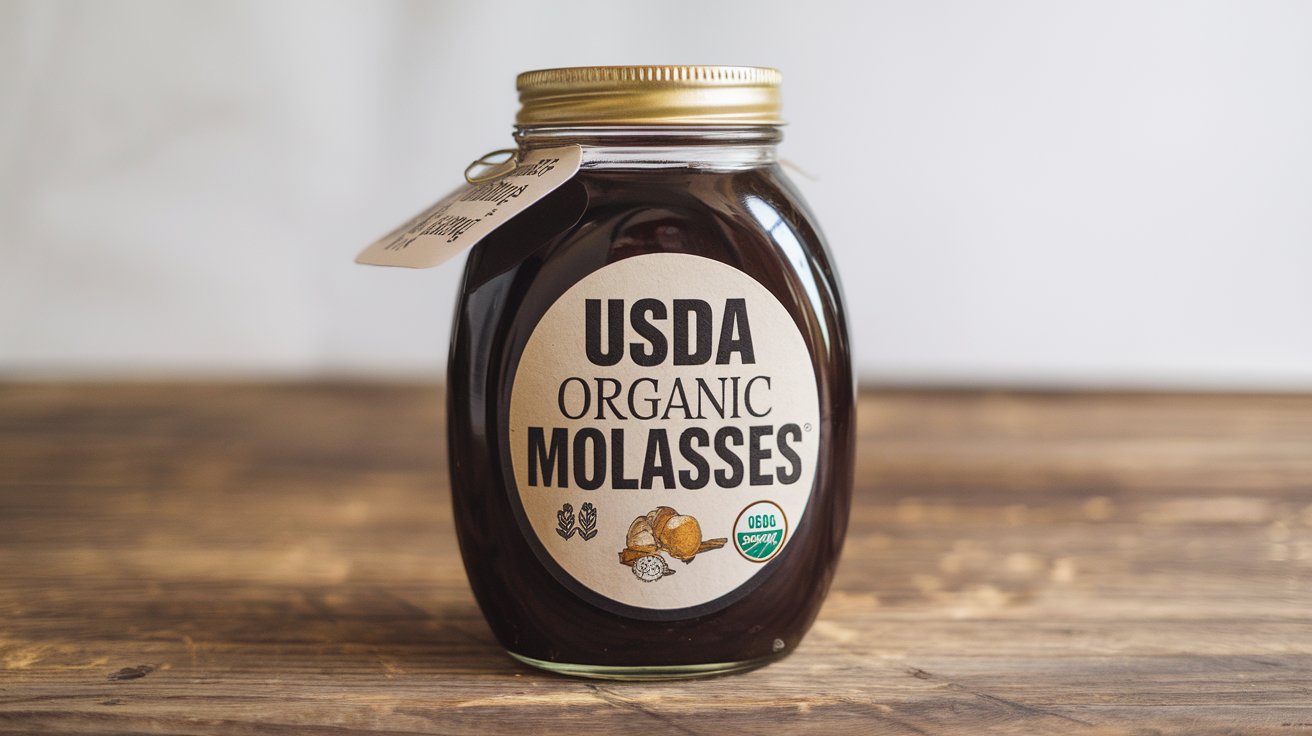
Many home bakers discover expired molasses in their pantry and wonder about its safety and usability. Unlike many food products, molasses has unique preservation properties that allow it to remain safe well beyond its printed expiration date when stored properly. Understanding the difference between quality degradation and actual spoilage can help you make informed decisions about using this versatile sweetener in your cooking and baking projects.
Understanding Molasses Expiration Dates
The expiration date on molasses containers typically indicates peak quality rather than food safety. Most commercially produced molasses in the United States carries a best-by date of 2-4 years from manufacturing, but this doesn’t mean the product becomes unsafe immediately after this date. The high sugar content and acidity of molasses create an environment that naturally inhibits bacterial growth and extends shelf life significantly.
Food safety experts note that unopened molasses can remain safe for consumption 5-10 years beyond the printed date when stored in cool, dry conditions. The thick consistency and low moisture content make molasses highly resistant to spoilage, similar to honey or corn syrup. However, quality may decline over time, affecting flavor intensity and consistency.
Best-By vs Expiration Date Differences
Understanding the distinction between best-by and expiration dates helps determine molasses safety. Best-by dates indicate when manufacturers guarantee optimal flavor and texture, while true expiration dates suggest potential safety concerns. Most molasses products use best-by dating, meaning quality may diminish but safety remains intact for extended periods when proper storage conditions are maintained.
Factors Affecting Molasses Longevity
Several factors influence how long molasses remains usable past its date. Storage temperature, humidity levels, container integrity, and exposure to light all impact shelf life. Molasses stored in original sealed containers at room temperature in pantries typically outlasts products exposed to temperature fluctuations or moisture. The type of molasses also matters, with unsulfured varieties generally maintaining quality longer than sulfured types.
Signs of Spoiled Molasses
Identifying spoiled molasses requires careful observation of visual, textural, and aromatic changes. Fresh molasses maintains a dark brown to black color with consistent thickness and characteristic sweet, slightly bitter aroma. Spoilage indicators include mold growth, unusual crystallization, off-putting odors, or significant color changes that deviate from the product’s normal appearance.
Mold appearance represents the primary safety concern with old molasses. Look for fuzzy growth on the surface or around container edges, which indicates contamination and requires immediate disposal. Additionally, fermentation signs such as bubbling, alcohol-like odors, or unusually thin consistency suggest bacterial activity and potential safety risks.
Visual Inspection Guidelines
Proper visual inspection of questionable molasses involves examining color consistency, surface appearance, and texture uniformity. Normal molasses may develop slight crystallization or surface hardening, which doesn’t indicate spoilage. However, white, green, or blue fuzzy growth anywhere on the product signals dangerous mold contamination requiring immediate disposal without tasting.
Smell and Texture Tests
The aroma test provides valuable information about molasses condition. Fresh molasses emits a rich, sweet smell with subtle burnt sugar notes. Sour, alcoholic, or putrid odors indicate fermentation or spoilage. Texture changes beyond normal crystallization, such as separation, excessive thinning, or unusual grittiness, may suggest quality degradation or contamination issues requiring careful evaluation.
Proper Molasses Storage Methods
Correct storage techniques significantly extend molasses shelf life and maintain quality. Store unopened containers in cool, dry pantry areas away from direct sunlight and heat sources. Temperatures between 50-70°F provide optimal conditions, while avoiding areas near stoves, dishwashers, or heating vents prevents accelerated quality degradation and potential safety issues.
Once opened, molasses storage requires additional precautions to prevent contamination and maintain freshness. Always use clean utensils when scooping molasses, immediately wipe container rims clean, and ensure tight lid closure after each use. Refrigeration isn’t necessary but can extend shelf life in extremely hot climates or humid conditions.
Container Selection and Maintenance
Original containers provide the best storage solution for molasses preservation. Glass jars offer excellent protection against moisture and odor absorption, while plastic containers may allow gradual flavor transfer over extended periods. If transferring molasses, choose food-grade containers with airtight seals and label with purchase or opening dates for tracking purposes.
Environmental Storage Considerations
Environmental factors significantly impact molasses longevity. High humidity areas like basements or near dishwashers can promote mold growth and quality degradation. Conversely, extremely dry conditions may cause excessive crystallization. Maintain consistent temperature and humidity levels, avoiding storage locations subject to frequent environmental changes that stress the product and reduce shelf life.
Safety Guidelines for Using Old Molasses
When considering expired molasses usage, follow strict safety protocols to prevent foodborne illness. First, conduct thorough visual and smell inspections as outlined above. If any signs of spoilage appear, discard the product immediately without tasting. When molasses passes initial inspection, start with small amounts in recipes to assess flavor quality before committing to large batches.
For questionable molasses, consider the intended use carefully. Baking applications involving high heat may mask slight flavor changes better than recipes requiring molasses as a primary flavor component. However, never compromise safety for convenience, and when in doubt, purchase fresh molasses to ensure optimal results and food safety in your culinary projects.
Types of Molasses and Shelf Life Variations
Different molasses varieties exhibit varying shelf life characteristics based on processing methods and sulfur content. Light molasses, extracted from the first boiling of sugar cane, typically maintains quality longer than dark or blackstrap varieties. Unsulfured molasses generally outlasts sulfured types due to fewer chemical additives that may degrade over time, affecting both flavor and safety considerations.
Blackstrap molasses contains the highest concentration of minerals and exhibits the most robust flavor profile, but may show quality changes sooner than lighter varieties. Organic molasses products often have shorter shelf lives due to minimal processing and preservative use, requiring more careful monitoring for spoilage signs and stricter adherence to storage guidelines.
Light vs Dark Molasses Longevity
Light molasses typically maintains optimal quality longer than dark varieties due to lower mineral content and less intensive processing. The milder flavor profile makes quality degradation less noticeable in light molasses, while dark molasses flavor changes become more apparent over time. Both varieties remain safe well past expiration dates when properly stored, but flavor expectations should adjust accordingly.
Organic and Natural Molasses Considerations
Organic molasses requires more careful monitoring due to minimal processing and preservative absence. These natural molasses products may develop quality changes sooner than conventional varieties, though safety timelines remain similar. Check organic molasses more frequently for spoilage signs and consider refrigeration in extremely hot climates to maintain optimal quality and extend usable life.
Using Expired Molasses in Recipes
When incorporating older molasses into recipes, adjust expectations and techniques accordingly. Slight flavor changes may actually enhance certain dishes, particularly robust recipes like gingerbread, baked beans, or barbecue sauces where molasses complements other strong flavors. Start with smaller quantities than recipes specify and taste-test before adding full amounts to ensure flavor balance remains acceptable.
For baking applications, expired molasses may require slight recipe modifications to achieve desired results. Crystallized molasses can be gently warmed to restore smooth consistency, while slightly degraded flavor might benefit from additional spices or flavoring agents. Always prioritize food safety over recipe completion, and discard any molasses showing definitive spoilage signs regardless of recipe importance.
When to Discard Molasses Definitively
Certain conditions require immediate molasses disposal regardless of expiration date proximity. Any visible mold growth, regardless of amount or location, indicates contamination requiring complete product disposal. Fermentation signs including bubbling, alcohol odors, or gas production suggest bacterial activity posing potential health risks that cannot be safely remedied through cooking or heating processes.
Additionally, discard compromised molasses showing extreme texture changes like complete separation, unusual grittiness, or water-like consistency. These changes may indicate container damage, contamination, or storage condition failures that compromise product safety. When storage conditions have been questionable or contamination exposure suspected, err on the side of caution and replace with fresh product for optimal safety and quality assurance.
Related video about can you use expired molasses
This video complements the article information with a practical visual demonstration.
What you should know
How long can you use molasses after the expiration date?
Properly stored molasses can remain safe for 5-10 years past the expiration date. The high sugar content and acidity naturally preserve molasses, though quality may decline over time. Always inspect for mold, unusual odors, or texture changes before using expired molasses in recipes.
Does molasses go bad if not refrigerated?
Molasses does not require refrigeration and can be safely stored at room temperature in a cool, dry pantry. The thick consistency and high sugar content prevent spoilage when stored properly. Refrigeration may cause crystallization but won’t improve shelf life significantly under normal storage conditions.
What does spoiled molasses look like?
Spoiled molasses shows visible mold growth (fuzzy white, green, or blue patches), unusual crystallization patterns, significant color changes, or surface separation. Fresh molasses maintains consistent dark brown to black color with uniform thickness. Any fuzzy growth indicates contamination requiring immediate disposal.
Can you get sick from old molasses?
Old molasses rarely causes illness when properly stored and free from contamination. The high sugar content and acidity create an environment hostile to harmful bacteria. However, molasses showing mold growth or fermentation signs can cause digestive upset and should be discarded immediately to prevent potential health risks.
Should molasses be stored in the refrigerator after opening?
Refrigeration is not necessary for opened molasses but won’t harm the product. Room temperature storage in a tightly sealed container works well for most climates. Refrigeration may cause thickening or crystallization, requiring gentle warming before use, but can extend quality in extremely hot or humid environments.
How can you tell if molasses has crystallized vs spoiled?
Crystallized molasses develops sugar crystals that create grittiness but maintains normal color and smell. Spoiled molasses shows mold growth, off-putting odors, color changes, or fermentation signs. Crystallization can be reversed by gentle heating, while spoilage requires complete product disposal for safety reasons.
| Storage Aspect | Best Practice | Safety Benefit |
|---|---|---|
| Temperature Control | Store at 50-70°F in pantry | Prevents accelerated degradation |
| Container Integrity | Keep original sealed containers | Maintains quality 5-10 years past date |
| Visual Inspection | Check for mold before each use | Prevents contamination illness |
| Hygiene Practices | Use clean utensils always | Eliminates cross-contamination risk |