How Long Does Molasses Last After Expiration Date?
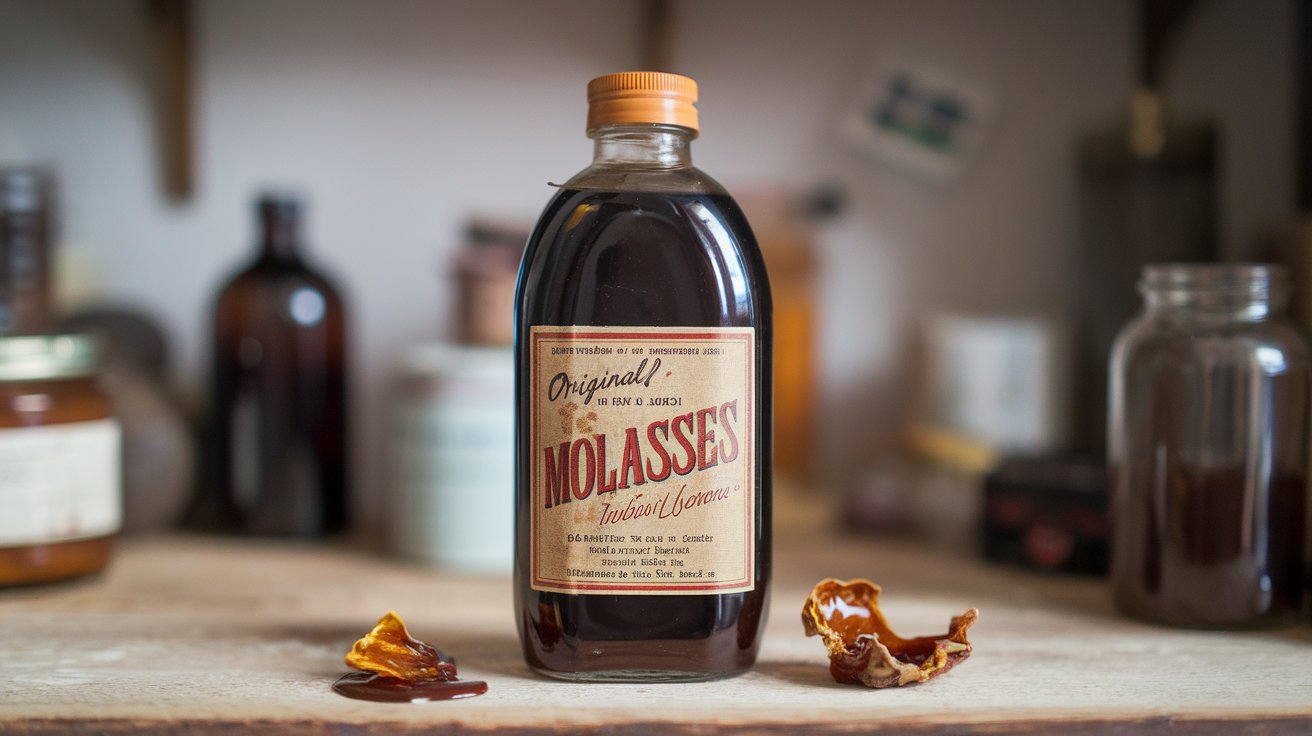
Molasses can last 2-4 years beyond its expiration date when stored properly in a cool, dry place. Unlike many food products, this thick syrup has natural preservative qualities due to its high sugar content and low water activity, making it remarkably shelf-stable even after the printed date passes.
Understanding Molasses Expiration Dates
The expiration date on molasses containers represents peak quality rather than safety. Most manufacturers print a best-by date that ranges from 2-3 years from production, but this conservative estimate doesn’t reflect the product’s true longevity. The high sugar concentration in molasses creates an environment where harmful bacteria cannot thrive, similar to honey’s preservation properties.
Commercial molasses undergoes processing that removes most moisture, further extending its shelf life beyond expiration. Light molasses typically maintains quality for 3-4 years past the date, while blackstrap molasses can last even longer due to its concentrated nature and higher mineral content.
Different Types and Their Longevity
Light molasses, being less concentrated, generally maintains optimal quality for 2-3 years past expiration when stored correctly. Dark molasses, with its higher concentration of sugars and minerals, can extend up to 4 years beyond the printed date. Blackstrap molasses, the most concentrated variety, often remains usable for 5+ years after expiration due to its minimal water content and maximum sugar density.
Best-By vs Expiration Date Differences
Food manufacturers use best-by dates to indicate when molasses quality peaks, not when it becomes unsafe. These dates factor in flavor, texture, and nutritional value maintenance rather than spoilage concerns. Understanding this distinction helps consumers make informed decisions about using expired molasses safely without unnecessary waste.
Proper Storage Methods for Maximum Shelf Life
Storing molasses correctly significantly impacts its longevity after expiration. Keep containers in a cool, dry pantry away from direct sunlight and heat sources. Temperature fluctuations can cause condensation inside the container, potentially introducing moisture that reduces shelf life. The ideal storage temperature ranges from 50-70°F (10-21°C) with consistent humidity levels below 60%.
Always ensure the molasses container remains tightly sealed after each use. Exposure to air can introduce contaminants and cause the surface to develop a skin or crystallize. Glass jars provide superior protection compared to plastic containers, as they prevent air permeation and maintain consistent internal conditions for years beyond the expiration date.
Signs of Spoiled Molasses
Recognizing spoiled molasses involves examining visual, aromatic, and textural changes. Fresh molasses maintains a consistent dark color and smooth pour, while spoiled varieties may develop mold growth on the surface, unusual cloudiness, or separation layers. Any visible mold indicates the product should be discarded immediately, regardless of the expiration date.
Off odors signal potential spoilage in expired molasses. Fresh molasses has a rich, sweet, slightly bitter aroma, while spoiled versions may smell fermented, sour, or musty. Texture changes include unusual thickness, grittiness from crystallization, or an unexpectedly thin consistency that differs significantly from the original product.
Mold and Bacterial Growth Indicators
Mold typically appears as fuzzy growth on molasses surfaces, often green, white, or black in color. This occurs when moisture enters the container or storage conditions become too humid. Bacterial contamination is rarer due to molasses’ natural preservative properties, but may manifest as unusual fermentation bubbles or alcoholic odors.
Texture and Consistency Changes
Normal aging may cause molasses to thicken slightly or develop surface crystallization, which doesn’t indicate spoilage. However, dramatic consistency changes in expired molasses like complete liquification, separation into layers, or the development of chunks suggests quality degradation that may affect taste and baking performance.
Safety Guidelines for Using Expired Molasses
Using molasses beyond its expiration date is generally safe when proper storage and inspection protocols are followed. Always examine the product thoroughly before use, checking for mold, off odors, or unusual texture changes. If the molasses appears normal and smells appropriate, it’s likely safe for consumption even years past the printed date.
For baking applications, expired molasses performance may vary slightly due to moisture loss or crystallization. Test small batches first to ensure desired results, as older molasses might produce different flavors or textures in finished products. When in doubt, use the smell test – fresh molasses has a distinct sweet, robust aroma that shouldn’t include fermentation or sour notes.
Factors Affecting Molasses Longevity
Several environmental factors influence how long molasses lasts after expiration. Temperature stability plays the most crucial role – consistent cool temperatures preserve quality longer than fluctuating conditions. Humidity levels above 60% can introduce moisture into containers, potentially reducing shelf life from years to months.
Container quality and seal integrity significantly impact longevity. Properly sealed molasses containers prevent air exposure and contamination, while damaged seals allow moisture and bacteria entry. Light exposure can also degrade quality over time, making dark pantry storage preferable to counter or window storage locations.
Temperature and Humidity Impact
Extreme temperatures can cause molasses quality deterioration faster than normal aging. High heat accelerates chemical changes that affect flavor, while freezing temperatures may cause expansion and container damage. Maintaining steady temperatures between 50-70°F optimizes long-term storage success.
Container Material and Seal Quality
Glass containers with tight-fitting lids provide superior long-term molasses storage compared to plastic alternatives. Metal containers may react with molasses acidity over extended periods, while plastic can allow air permeation that reduces shelf life. Regular seal inspection ensures continued protection against contamination.
Nutritional Value Changes Over Time
Molasses retains most of its nutritional benefits after expiration, including essential minerals like iron, calcium, and potassium. The high sugar content and mineral density remain relatively stable even years past the printed date. However, some vitamin degradation may occur over extended storage periods, particularly in less-than-ideal conditions.
Antioxidant properties in molasses, particularly in blackstrap varieties, show minimal decline during proper storage. The mineral content in expired molasses remains largely unchanged, making it a continued source of iron and other nutrients important for health-conscious consumers who prefer natural sweeteners over refined alternatives.
Common Myths About Expired Molasses
Many consumers believe that expired molasses becomes dangerous immediately after the printed date, but this misconception leads to unnecessary waste. The truth is that properly stored molasses rarely develops harmful bacteria due to its natural preservative properties. Another common myth suggests that crystallization indicates spoilage, when it’s actually a normal aging process.
Some people think that expired molasses loses all baking functionality, but aged molasses often performs similarly to fresh versions in most recipes. While slight flavor changes may occur, the leavening and moisture properties remain largely intact, making it suitable for cookies, breads, and other baked goods even years beyond expiration.
Related video about how long does molasses last after expiration date
This video complements the article information with a practical visual demonstration.
Your questions answered
Can I use molasses 5 years past the expiration date?
Yes, molasses can often be used safely 5 years past expiration if stored properly in a cool, dry place with a tight seal. Check for mold, off odors, or unusual texture changes before use. The high sugar content acts as a natural preservative, extending usability well beyond printed dates.
What happens if I eat expired molasses?
Eating properly stored expired molasses typically poses no health risks due to its natural preservative properties. The high sugar concentration prevents harmful bacteria growth. However, always inspect for mold, unusual smells, or texture changes before consumption to ensure safety.
Does molasses need refrigeration after opening?
No, molasses doesn’t require refrigeration after opening. Store it in a cool, dry pantry with the lid tightly sealed. Refrigeration can actually cause molasses to thicken and become difficult to pour, while proper pantry storage maintains ideal consistency and extends shelf life.
How can I tell if my old molasses is still good?
Check for visual mold growth, unusual odors like fermentation or sourness, and significant texture changes. Good molasses maintains its dark color, sweet aroma, and thick but pourable consistency. Surface crystallization is normal aging, but fuzzy mold growth indicates spoilage requiring disposal.
Will expired molasses affect my baking results?
Expired molasses may produce slightly different flavors or textures in baking, but typically still functions well in recipes. Test small batches first to ensure desired results. The leavening and moisture properties remain largely intact even years past expiration when stored correctly.
What’s the difference between light and dark molasses shelf life?
Dark molasses generally lasts longer than light molasses due to higher sugar concentration and lower water content. Light molasses stays good 2-3 years past expiration, while dark varieties can extend 4+ years beyond the printed date when stored properly in cool, dry conditions.
| Storage Factor | Optimal Conditions | Extended Shelf Life |
|---|---|---|
| Temperature | 50-70°F (10-21°C) | 2-4 years past expiration |
| Container | Glass with tight seal | Maximum protection |
| Location | Cool, dry pantry | Prevents contamination |