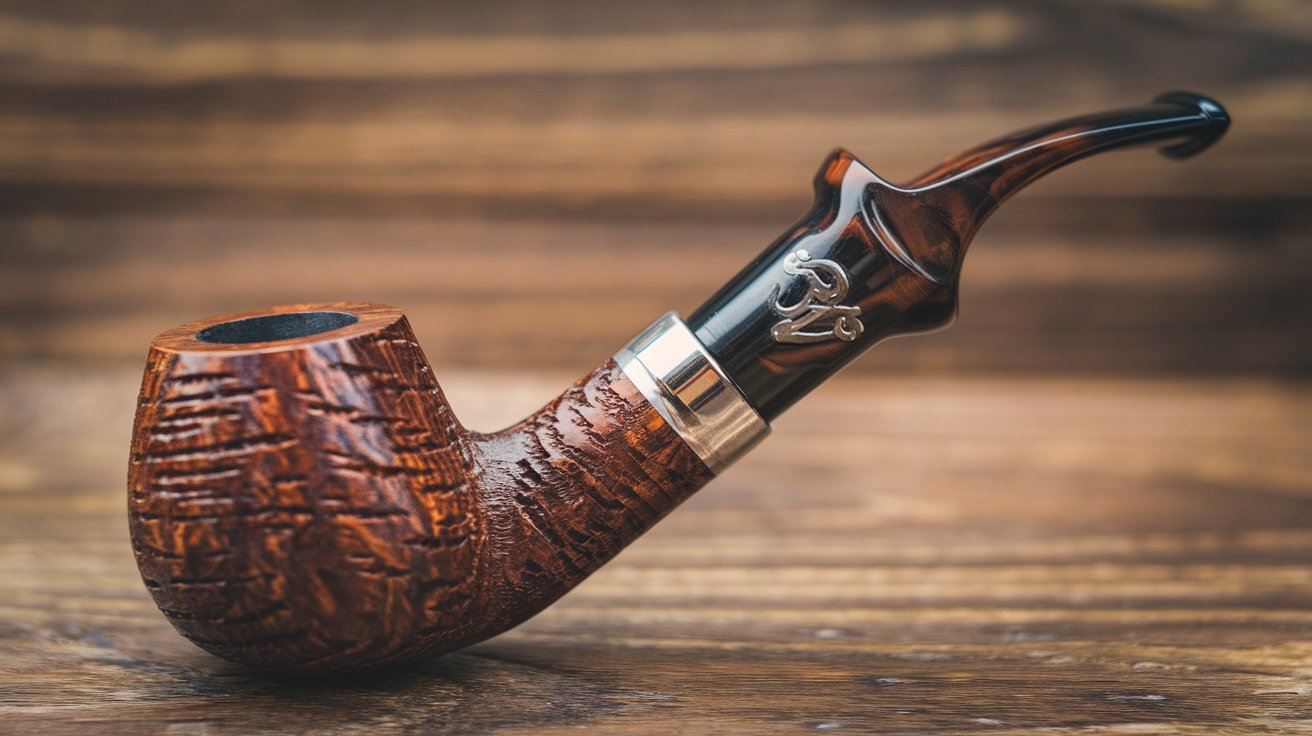
How to Clean a Tobacco Pipe: Complete Maintenance Guide
Cleaning a tobacco pipe properly is essential for maintaining its functionality, extending its lifespan, and ensuring an optimal smoking experience. Regular maintenance prevents buildup of tar, moisture, and residue that can affect taste and damage your pipe. This comprehensive guide covers professional cleaning techniques, necessary tools, and maintenance schedules to keep your tobacco pipe in perfect condition.
Essential Tools for Pipe Cleaning
Proper pipe cleaning requires specific tools designed for tobacco pipes. These specialized implements ensure thorough cleaning without damaging delicate components. Professional pipe cleaners, specialized brushes, and appropriate solvents form the foundation of effective pipe maintenance.
Quality pipe cleaners are flexible wire stems covered with absorbent cotton or synthetic fibers. They navigate the pipe’s airway system, removing moisture and loose debris. Pipe cleaning tools should include various sizes to accommodate different pipe bore diameters and chamber sizes.
Basic Cleaning Kit Components
A comprehensive cleaning kit includes pipe cleaners in multiple sizes, a small brush for the bowl, reaming tools for carbon removal, and pipe cleaning solution. Cotton swabs and soft cloths complete the basic toolkit. These tools address different cleaning aspects from airway maintenance to exterior polishing.
Professional Grade Equipment
Advanced cleaning requires specialized reamers for carbon buildup, flexible brushes for curved stems, and high-quality cleaning solvents. Professional-grade pipe maintenance tools include adjustable reamers, bamboo shank brushes, and specialized polishing compounds. These tools ensure thorough cleaning while preserving pipe integrity.
Step-by-Step Cleaning Process
The systematic approach to cleaning tobacco pipes begins immediately after smoking while the pipe is still warm. This timing allows easier removal of moisture and prevents tar from hardening. Each cleaning session should follow a specific sequence to maximize effectiveness and prevent damage.
Start by removing the stem from the bowl if your pipe allows separation. This access enables thorough cleaning of both components independently. Pipe cleaning technique varies based on pipe type, frequency of use, and tobacco residue accumulation.
Initial Cleaning After Smoking
Run a dry pipe cleaner through the stem and shank immediately after smoking to absorb moisture and loose particles. This prevents tobacco residue from hardening and makes subsequent cleaning easier. Replace cleaners as they become saturated, typically requiring two to three cleaners per session.
Deep Cleaning Process
Deep cleaning involves disassembling the pipe completely and cleaning each component thoroughly. Use alcohol-dampened pipe cleaners for the stem and shank, followed by dry cleaners. The bowl requires gentle reaming to remove carbon buildup without damaging the wood. This process should occur weekly for regular smokers.
Bowl Cleaning and Carbon Management
The pipe bowl accumulates carbon residue that requires careful management. While a thin carbon layer protects the wood, excessive buildup affects airflow and taste. Bowl cleaning involves selective carbon removal while preserving the protective cake layer essential for pipe longevity.
Carbon cake formation is natural and beneficial, but maintenance prevents over-accumulation. Professional pipe smokers maintain carbon thickness between 1/16 to 1/8 inch. Proper carbon removal technique uses specialized reamers to achieve uniform thickness throughout the bowl.
Reaming Techniques
Reaming removes excess carbon while preserving the protective cake layer. Use adjustable reamers or sandpaper-lined tools to achieve uniform carbon thickness. Work slowly with light pressure, testing frequently to avoid over-reaming. Proper technique maintains the cake’s integrity while ensuring optimal airflow.
Bowl Restoration Methods
Severely damaged bowls may require restoration techniques including careful sanding and re-seasoning. Bowl restoration involves removing damaged carbon, smoothing the surface, and building new cake gradually. This process requires patience and proper technique to restore smoking quality.
Stem and Airway Maintenance
The pipe stem and airway system require regular attention to maintain proper draw and prevent blockages. Stem cleaning removes tar buildup and moisture that can affect airflow and taste. Regular maintenance prevents permanent staining and ensures smooth smoking experience.
Flexible pipe cleaners navigate curved stems effectively, reaching areas that rigid tools cannot access. Airway maintenance includes both routine cleaning and periodic deep cleaning with appropriate solvents. This process removes accumulated oils and prevents bacterial growth.
Cleaning Solutions and Solvents
Appropriate cleaning solutions dissolve tar and remove stubborn residue without damaging pipe materials. Pipe cleaning solvents include isopropyl alcohol, specialized pipe cleaning solutions, and natural alternatives. Each solution type offers specific advantages for different cleaning requirements and pipe materials.
Alcohol-based solutions effectively dissolve tar and oils while evaporating quickly. Commercial pipe cleaning products often contain additional ingredients for enhanced cleaning power and material protection. Natural alternatives include salt and alcohol combinations for gentle yet effective cleaning.
Alcohol-Based Solutions
Isopropyl alcohol concentrations between 90-99% provide optimal cleaning power for tar removal. Lower concentrations may leave water residue that promotes bacterial growth. High-grade alcohol evaporates completely, leaving no harmful residues that could affect smoking quality or pipe integrity.
Commercial Cleaning Products
Specialized pipe cleaning products offer enhanced performance with additional protective agents. These commercial cleaners often include conditioning agents that preserve wood and prevent drying. Quality products undergo testing to ensure compatibility with various pipe materials and finishes.
Cleaning Frequency and Maintenance Schedule
Establishing a regular cleaning schedule prevents buildup and maintains optimal pipe condition. Daily smokers require more frequent cleaning than occasional users. Professional recommendations suggest basic cleaning after each smoking session and thorough cleaning weekly for regular use.
Maintenance frequency depends on tobacco type, smoking frequency, and individual pipe characteristics. Regular maintenance includes daily moisture removal, weekly deep cleaning, and monthly comprehensive inspection. This schedule ensures long-term pipe health and optimal performance.
Drying and Storage Considerations
Proper drying prevents moisture damage and bacterial growth that can ruin pipes permanently. Pipe drying techniques include air drying, absorbent materials, and controlled environment storage. Adequate drying time between smoking sessions prevents wood damage and maintains structural integrity.
Storage conditions significantly impact pipe longevity and cleanliness. Proper storage requires adequate ventilation, moisture control, and protection from contaminants. Quality pipe racks and storage cases provide optimal conditions while allowing continued air circulation.
Troubleshooting Common Cleaning Issues
Common cleaning problems include stubborn tar buildup, persistent odors, and gurgling sounds during smoking. Cleaning troubleshooting requires identifying root causes and applying appropriate solutions. Professional techniques address these issues without damaging pipe components or affecting smoking quality.
Persistent problems may indicate inadequate cleaning technique or underlying pipe damage. Problem resolution involves systematic diagnosis and targeted treatment. Advanced issues may require professional restoration or specialized cleaning procedures beyond standard maintenance.
Related video about how to clean a tobacco pipe
This video complements the article information with a practical visual demonstration.
Most asked questions about how to clean a tobacco pipe
How often should I clean my tobacco pipe?
Clean your pipe after each smoking session with a dry pipe cleaner, and perform thorough deep cleaning weekly for regular smokers. Daily smokers should deep clean every 3-4 days, while occasional smokers can extend to monthly deep cleaning. This schedule prevents buildup and maintains optimal smoking quality.
Can I use regular household cleaners on my tobacco pipe?
Never use household cleaners on tobacco pipes as they can leave harmful residues and damage the wood or stem materials. Use only isopropyl alcohol (90%+ concentration) or specialized pipe cleaning solutions. These products are specifically formulated for pipe materials and won’t affect taste or cause damage.
What’s the best way to remove stubborn tar buildup?
For stubborn tar, use alcohol-dampened pipe cleaners and let the solvent work for several minutes before cleaning. Repeat the process multiple times, allowing drying between applications. For extremely stubborn buildup, consider professional cleaning services or specialized tar removal products designed for tobacco pipes.
How thick should the carbon cake be in my pipe bowl?
Maintain carbon cake thickness between 1/16 to 1/8 inch for optimal protection and airflow. Thinner cake provides insufficient protection, while thicker buildup restricts airflow and affects taste. Use a pipe reamer to maintain proper thickness, checking regularly with a small ruler or cake gauge.
Is it normal for my pipe to gurgle during smoking?
Gurgling indicates excess moisture in the stem or shank, usually from inadequate cleaning or insufficient drying time. Run pipe cleaners through the airway until they come out clean and dry. Allow longer drying periods between smoking sessions and ensure complete moisture removal after each use.
Can I speed up the pipe drying process?
Allow natural air drying for best results, typically 24-48 hours depending on humidity and pipe size. Avoid artificial heat sources which can crack wood or warp stems. Use absorbent pipe cleaners and ensure good air circulation around stored pipes to facilitate proper drying without damage.
| Cleaning Aspect | Frequency | Key Benefit |
|---|---|---|
| Basic Cleaning | After each use | Prevents moisture damage |
| Deep Cleaning | Weekly for regular use | Removes tar buildup |
| Carbon Reaming | Monthly or as needed | Maintains optimal airflow |
| Complete Inspection | Monthly | Identifies potential issues |