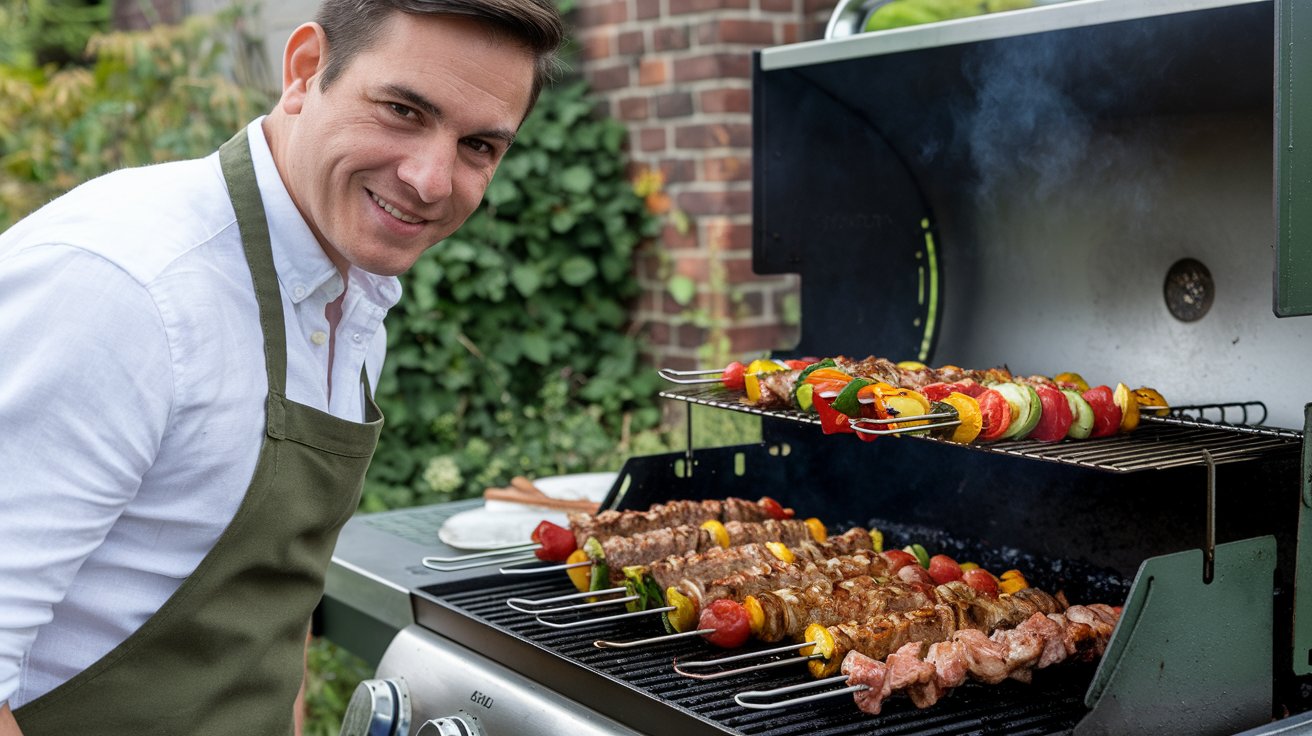
How to Set Up Shishs: Complete Guide for Perfect Cooking
Setting up shishs requires proper skewer preparation, ingredient arrangement, and grilling technique. This comprehensive guide covers everything from selecting the right equipment to achieving perfectly cooked kebabs. Whether you’re preparing chicken, beef, or vegetable shishs, following these proven methods will ensure delicious results every time.
Essential Equipment for Shish Setup
Proper shish equipment forms the foundation of successful kebab preparation. Quality metal skewers are essential, with stainless steel or bamboo options being most popular in American kitchens. Metal skewers conduct heat efficiently and can be reused indefinitely, while bamboo skewers require soaking but offer better grip for delicate ingredients. A reliable grill or grill pan is equally important for achieving the characteristic char and flavor.
Additional equipment includes grilling tools such as long-handled tongs, a meat thermometer for food safety, and a basting brush for marinades. A large cutting board provides adequate space for ingredient preparation, while mixing bowls help organize different components before assembly. These tools ensure both efficiency and safety during the shish setup process.
Choosing the Right Skewers
Metal skewers work best for heavy ingredients like beef chunks and dense vegetables, as they won’t bend under weight. Flat metal skewers prevent ingredients from spinning during cooking, ensuring even browning. Bamboo skewers excel with lighter proteins like chicken or shrimp and should be soaked for 30 minutes before use to prevent burning.
Grilling Surface Preparation
Clean grill grates thoroughly and preheat to medium-high heat for optimal cooking results. Oil the grates lightly to prevent sticking, especially important for marinated ingredients. Indoor alternatives include grill pans or broiler settings, though outdoor grilling provides superior flavor development through smoke and direct flame contact.
Ingredient Preparation and Selection
Successful shish preparation begins with proper ingredient selection and cutting techniques. Proteins should be cut into uniform 1-1.5 inch cubes to ensure even cooking throughout. Chicken breast, beef sirloin, and lamb shoulder are popular choices in American households, each requiring specific preparation methods for optimal tenderness and flavor.
Vegetables complement proteins while adding color and nutrition to shishs. Bell peppers, onions, zucchini, and mushrooms are traditional choices that hold their shape well during grilling. Cut vegetables slightly larger than meat pieces, as they tend to shrink more during cooking. Marinating ingredients separately allows for customized flavor profiles while ensuring food safety protocols are maintained.
Protein Preparation Methods
Trim excess fat from meats while leaving some for flavor and moisture retention during grilling processes. Chicken requires thorough cooking to 165°F internal temperature, while beef and lamb can be cooked to preference. Marinate proteins for 2-24 hours in refrigerated conditions, with acidic marinades working faster than oil-based ones.
Vegetable Selection and Prep
Choose firm vegetables that won’t break apart during handling and cooking. Pre-cook harder vegetables like root vegetables partially to ensure they finish cooking simultaneously with proteins. Cherry tomatoes and softer vegetables should be added carefully to prevent bursting or falling off skewers during the grilling process.
Assembly Techniques for Perfect Shishs
Proper assembly techniques determine both cooking success and visual appeal of finished shishs. Thread ingredients onto skewers with adequate spacing to allow heat circulation, typically leaving small gaps between pieces. Alternate proteins and vegetables in patterns that ensure even cooking times, considering that different ingredients require varying heat exposure.
Start assembly with firmer ingredients that anchor well on skewers, followed by softer components. Push ingredients firmly together just before grilling to prevent gaps from forming during cooking. Leave approximately one inch of skewer exposed on each end for safe handling during the cooking process.
Threading Order and Spacing
Begin with onion pieces as they provide natural flavor bases and help secure other ingredients. Follow with protein, then vegetables in order of cooking time requirements. Maintain consistent spacing to ensure uniform heat distribution and prevent overcrowding that leads to steaming rather than grilling.
Securing Ingredients Properly
Push skewers through the center of ingredients to prevent spinning during turning. For irregularly shaped items like chicken pieces, thread through the thickest portion for stability. Double-skewer technique works well for delicate items that might fall apart, using two parallel skewers for additional support.
Marinating and Seasoning Strategies
Effective marinating strategies enhance flavor penetration and tenderize tougher cuts of meat. Acidic marinades containing vinegar, citrus juice, or wine break down protein fibers more quickly than oil-based alternatives. Allow minimum 30 minutes for thin cuts and up to 24 hours for thicker pieces, always refrigerating during marination periods.
Dry rubs offer alternative seasoning methods that create flavorful crusts during grilling. Apply seasoning blends 15-30 minutes before cooking to allow salt to penetrate surface tissues. Reserve some marinade separately for basting during cooking, never reusing marinades that contacted raw proteins without proper heat treatment.
Cooking Temperature and Timing Guidelines
Proper temperature control ensures food safety while achieving desired doneness levels. Preheat grills to medium-high heat, approximately 400-450°F for optimal searing and cooking. Lower temperatures result in dried-out proteins, while excessive heat burns exteriors before interiors reach safe temperatures.
Cooking times vary by ingredient size and type, with chicken requiring 12-15 minutes total cooking time and beef or lamb needing 8-12 minutes for medium doneness. Rotate shishs every 3-4 minutes to ensure even browning on all sides. Use meat thermometers to verify internal temperatures, especially important for poultry and pork products served in American restaurants and homes.
Internal Temperature Requirements
Chicken and turkey must reach 165°F internal temperature for food safety compliance with USDA guidelines. Ground meat mixtures require 160°F, while whole cuts of beef and lamb can be served at 145°F for medium-rare preparation. Always measure thickest portions of meat pieces for accurate readings.
Visual Doneness Indicators
Look for golden-brown surfaces with slight charring for optimal flavor development. Proteins should feel firm but not hard when pressed gently with tongs. Vegetables should maintain slight firmness while showing grill marks, indicating proper caramelization without overcooking that leads to mushy textures.
Safety Considerations and Best Practices
Food safety protocols are crucial when preparing and cooking shishs, particularly given the cross-contamination risks associated with raw proteins and shared surfaces. Use separate cutting boards for raw meats and vegetables, and wash hands thoroughly between handling different ingredients. Store assembled shishs in refrigerated conditions until ready to cook, never leaving at room temperature for extended periods.
Proper grill maintenance includes cleaning grates before and after use to prevent bacterial buildup and off-flavors. Keep raw and cooked foods separate using different plates and utensils. Monitor cooking progress carefully to prevent flare-ups that can char food surfaces while leaving interiors undercooked.
Serving and Presentation Tips
Attractive presentation enhances the dining experience and showcases proper shish preparation techniques. Arrange cooked skewers on warmed platters with complementary side dishes like rice pilaf, grilled vegetables, or fresh salads. Garnish with fresh herbs, lemon wedges, or yogurt-based sauces that complement the flavors developed during grilling.
Serve shishs immediately after cooking while proteins remain hot and vegetables retain their vibrant colors. Provide small plates for individual servings and consider offering removal tools to help diners safely slide ingredients off skewers. Temperature retention is important for both food safety and dining satisfaction in American service standards.
Related video about how to set up the shishs
This video complements the article information with a practical visual demonstration.
Frequently Asked Questions
How long should I soak bamboo skewers before using them?
Soak bamboo skewers for at least 30 minutes in water before threading ingredients. This prevents burning during grilling and ensures skewers remain intact throughout cooking. For longer cooking times, extend soaking to 60 minutes for maximum protection against charring.
What’s the best way to prevent ingredients from falling off skewers?
Thread ingredients through their center points and pack them snugly together just before grilling. Use flat metal skewers to prevent spinning, or employ the double-skewer technique for delicate items. Start with firm ingredients like onions that help anchor softer components in place.
Can I prepare shishs ahead of time for parties?
Yes, assemble shishs up to 4 hours ahead and refrigerate until ready to cook. This allows flavors to meld while maintaining food safety standards. Cover assembled skewers with plastic wrap and bring to room temperature 15 minutes before grilling for even cooking results.
What vegetables work best for shish kebabs?
Bell peppers, onions, zucchini, mushrooms, and cherry tomatoes are excellent choices that hold their shape during grilling. Cut vegetables slightly larger than meat pieces as they shrink more during cooking. Avoid overly soft vegetables that may fall apart or create safety hazards.
How do I know when my shishs are properly cooked?
Use a meat thermometer to verify internal temperatures reach safe levels: 165°F for poultry, 160°F for ground meats, and 145°F for whole cuts of beef or lamb. Visual indicators include golden-brown surfaces with slight charring and firm texture when pressed gently with tongs.
| Setup Component | Key Requirements | Success Factor |
|---|---|---|
| Skewer Selection | Metal for heavy items, bamboo for light proteins | Prevents breakage and ensures even cooking |
| Ingredient Prep | Uniform 1-1.5 inch pieces, proper marination | Consistent cooking and enhanced flavor |
| Assembly Technique | Center threading, adequate spacing | Secure ingredients and even heat distribution |
| Temperature Control | Medium-high heat, proper internal temps | Food safety and optimal texture |