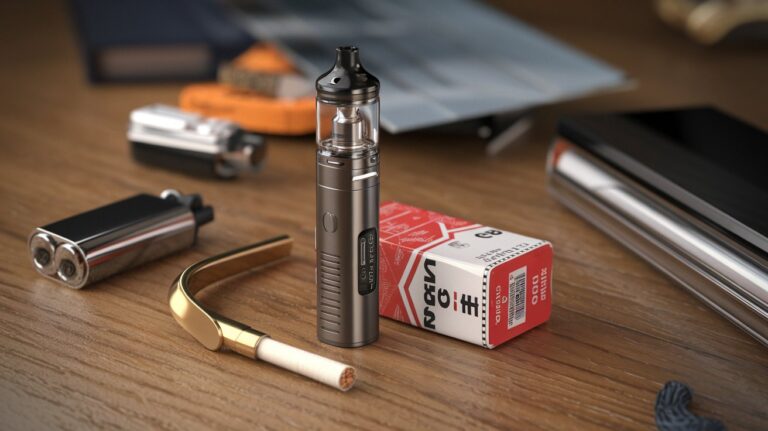
Canadian Light Cigarettes Nicotine Content: Complete Guide 2025
Understanding the nicotine content in Canadian light cigarettes is crucial for smokers making informed decisions about their tobacco consumption. Despite being marketed as lighter alternatives, these products still contain significant nicotine levels ranging from 0.5mg to 1.2mg per cigarette, with major Canadian brands like du Maurier Light, Export ‘A’ Light, and Belmont Mild leading the market in 2025.
Understanding Canadian Light Cigarette Nicotine Levels
The nicotine content in Canadian light cigarettes varies significantly across different brands and manufacturers. Health Canada regulations require all cigarette packages to display nicotine yields measured under standardized conditions. Most Canadian light cigarettes contain between 0.5mg and 1.2mg of nicotine per cigarette, which is approximately 30-40% less than regular strength cigarettes. However, the actual nicotine absorbed by smokers often differs from these laboratory measurements due to individual smoking patterns and compensatory behaviors.
Major Canadian tobacco companies including Imperial Tobacco, Rothmans Benson & Hedges, and JTI-Macdonald have reformulated their light cigarette products multiple times since 2020 to comply with evolving federal regulations. The nicotine delivery system in these cigarettes is engineered through filter design, tobacco blend modifications, and paper porosity adjustments to achieve the desired yield while maintaining consumer satisfaction and brand loyalty.
Measurement Standards and Testing Methods
Health Canada employs the ISO 3308 standard for measuring nicotine content in cigarettes, which involves machine smoking under controlled laboratory conditions. The testing protocol includes 35ml puff volumes, 2-second puff duration, and 60-second intervals between puffs. These standardized conditions may not reflect real-world smoking behavior, where smokers often take deeper, more frequent puffs when smoking light cigarettes, potentially increasing actual nicotine intake beyond the stated package levels.
Regulatory Framework and Compliance
The Tobacco and Vaping Products Act requires Canadian manufacturers to report detailed nicotine content data for all cigarette products sold in Canada. Since 2024, enhanced labeling requirements mandate that light cigarettes display both machine-measured yields and warnings about compensatory smoking behaviors. These regulations aim to prevent consumer misconceptions about reduced harm from light cigarettes while maintaining transparency in nicotine content reporting.
Popular Canadian Light Cigarette Brands and Nicotine Content
The Canadian market features several prominent light cigarette brands with varying nicotine contents. du Maurier Light cigarettes contain approximately 0.8mg of nicotine per cigarette, making them one of the most popular choices among Canadian smokers seeking reduced nicotine options. Export ‘A’ Light delivers around 0.7mg of nicotine, while Belmont Mild contains roughly 0.6mg per cigarette, representing some of the lowest nicotine levels available in the Canadian market.
Player’s Light and Medallion Light round out the top-selling Canadian light cigarettes with nicotine contents of 0.9mg and 0.5mg respectively. These brands have maintained consistent market share despite increasing tobacco taxes and plain packaging requirements implemented across Canada since 2020. The pricing structure for these products typically ranges from $15-18 CAD per pack in most provinces, with significant variations based on provincial tax policies and retail markup strategies.
Premium and Specialty Light Brands
Premium Canadian light cigarette options include brands like Vogue Super Slims and Davidoff Gold, which target affluent consumers seeking sophisticated smoking experiences with reduced nicotine content. These products typically contain 0.4-0.6mg of nicotine and feature advanced filter technologies, organic tobacco blends, and elegant packaging designs. The premium segment represents approximately 12% of the Canadian light cigarette market as of 2025.
Regional Brand Preferences
Regional preferences for light cigarette brands vary significantly across Canadian provinces. Quebec smokers show strong preference for du Maurier Light and Export ‘A’ products, while Western Canadian consumers favor Player’s Light and Belmont brands. Maritime provinces demonstrate higher consumption rates of specialty brands like Medallion Light, reflecting local distribution partnerships and historical brand loyalty patterns developed over decades of regional marketing initiatives.
Health Implications of Light Cigarette Nicotine Content
The reduced nicotine content in light cigarettes does not translate to proportionally reduced health risks, according to extensive research conducted by Health Canada and international health organizations. Smokers often engage in compensatory behaviors such as taking deeper puffs, smoking more frequently, or blocking filter ventilation holes to achieve desired nicotine satisfaction. These behaviors can result in exposure to tar and toxic compounds equal to or greater than regular cigarettes despite lower stated nicotine levels.
Cardiovascular and respiratory health impacts remain substantial even with reduced nicotine cigarettes. Studies published in the Canadian Journal of Public Health demonstrate that light cigarette smokers experience similar rates of lung cancer, heart disease, and chronic obstructive pulmonary disease compared to regular cigarette users. The misconception that light cigarettes are safer has contributed to delayed quit attempts and continued tobacco dependence among Canadian smokers.
Addiction Potential and Withdrawal Symptoms
Even with lower nicotine levels in light cigarettes, addiction potential remains high due to the rapid delivery of nicotine to the brain through inhalation. Canadian smokers switching to light cigarettes often experience initial withdrawal symptoms including irritability, anxiety, and cravings, leading to increased consumption to maintain nicotine satisfaction. Addiction specialists recommend comprehensive cessation programs rather than switching to light cigarettes as a harm reduction strategy.
Long-term Health Outcomes
Longitudinal studies tracking Canadian smokers over 20-year periods reveal that light cigarette users demonstrate health outcomes nearly identical to regular cigarette smokers. Cancer rates, cardiovascular disease incidence, and overall mortality remain elevated compared to non-smokers. These findings have influenced Health Canada’s messaging strategies and contributed to enhanced warning label requirements implemented in 2024.
Comparison with International Light Cigarette Standards
Canadian light cigarette nicotine content standards align closely with international frameworks established by the World Health Organization Framework Convention on Tobacco Control. Compared to American light cigarettes, Canadian products typically contain 10-15% lower nicotine levels due to stricter regulatory oversight and different tobacco blending practices. European Union light cigarettes show similar nicotine ranges, though testing methodologies and labeling requirements differ significantly from Canadian approaches.
Australia’s plain packaging policies and standardized nicotine content regulations provide a useful comparison point for Canadian policy makers considering future regulatory changes. Australian light cigarettes must contain maximum 0.8mg nicotine under current regulations, slightly lower than Canadian averages. These international comparisons inform ongoing policy debates about nicotine reduction strategies and potential harmonization of global tobacco control measures.
Manufacturing Processes and Nicotine Control
Canadian tobacco manufacturers employ sophisticated techniques to achieve precise nicotine content control in light cigarettes. Tobacco leaf selection involves careful blending of different tobacco varieties with varying natural nicotine levels, including Virginia, Burley, and Oriental tobaccos. Processing methods such as stem removal, leaf grading, and reconstituted tobacco integration allow manufacturers to fine-tune nicotine delivery while maintaining flavor profiles and smoking characteristics desired by consumers.
Filter technology plays a crucial role in reducing nicotine delivery in Canadian light cigarettes. Advanced multi-stage filtration systems incorporate activated charcoal, cellulose acetate, and ventilation holes strategically positioned to reduce nicotine and tar yields. Manufacturing facilities in Quebec, Ontario, and New Brunswick utilize automated quality control systems to ensure consistent nicotine content across production batches, meeting Health Canada’s strict compliance requirements for commercial distribution.
Quality Control and Batch Testing
Every batch of Canadian light cigarettes undergoes comprehensive testing to verify nicotine content accuracy before market release. Manufacturing facilities employ gas chromatography and mass spectrometry techniques to analyze nicotine levels in representative samples from each production run. These quality control measures ensure compliance with stated package yields and maintain consistency across different retail markets throughout Canada.
Innovation in Nicotine Reduction Technology
Recent innovations in nicotine reduction technology include genetically modified tobacco varieties with naturally lower nicotine content and advanced extraction processes that selectively remove nicotine while preserving other tobacco compounds. Canadian research institutions collaborate with tobacco companies to develop these technologies, though commercial implementation remains limited due to regulatory approval requirements and consumer acceptance considerations.
Consumer Behavior and Market Trends
Canadian consumer preferences for light cigarettes have evolved significantly since 2020, with health-conscious smokers increasingly seeking products with minimal nicotine content. Market research indicates that 34% of Canadian smokers have switched to light cigarettes in the past five years, driven by perceived health benefits and gradual reduction strategies. However, total cigarette consumption among light cigarette users averages 18% higher than regular cigarette smokers, suggesting compensatory smoking behaviors that offset intended nicotine reduction benefits.
Demographics show that light cigarette adoption is highest among women aged 25-45 and university-educated smokers seeking harm reduction alternatives. Price sensitivity analysis reveals that light cigarette consumers demonstrate greater brand loyalty but higher price elasticity compared to regular cigarette users. These consumer behavior patterns influence marketing strategies and product development priorities for major Canadian tobacco companies operating in the competitive light cigarette segment.
Future Regulatory Developments and Industry Impact
Health Canada has proposed new regulations for 2025-2027 that may further restrict nicotine content in cigarettes sold in Canada. The proposed framework includes mandatory nicotine caps of 0.4mg per cigarette for all tobacco products, potentially requiring significant reformulation of current light cigarette products. Industry stakeholders estimate that compliance costs could reach $200 million CAD across all Canadian tobacco manufacturers, with potential market consolidation and product discontinuation likely outcomes.
International trade considerations complicate regulatory implementation, as Canadian tobacco companies export products to markets with different nicotine content requirements. Harmonization efforts with United States and European Union tobacco policies may influence final regulatory approaches adopted by Health Canada. The future of Canadian light cigarettes depends heavily on these regulatory developments and their interaction with evolving consumer preferences toward reduced-risk tobacco alternatives and complete cessation products.
Related video about canadian light cigarettes nicotine content
This video complements the article information with a practical visual demonstration.
Your questions answered
What is the average nicotine content in Canadian light cigarettes?
Canadian light cigarettes typically contain between 0.5mg to 1.2mg of nicotine per cigarette, with most popular brands averaging around 0.7-0.8mg. This represents approximately 30-40% less nicotine than regular strength cigarettes, though actual absorption varies based on individual smoking patterns.
Are Canadian light cigarettes safer than regular cigarettes?
No, Canadian light cigarettes are not significantly safer than regular cigarettes. Health Canada research shows that smokers often compensate for lower nicotine by taking deeper puffs or smoking more frequently, resulting in similar exposure to harmful chemicals and comparable health risks including cancer and heart disease.
Which Canadian light cigarette brand has the lowest nicotine content?
Medallion Light contains approximately 0.5mg of nicotine per cigarette, making it one of the lowest nicotine options available in Canada. Belmont Mild follows closely at 0.6mg, while premium brands like Vogue Super Slims contain around 0.4-0.5mg of nicotine.
How does Health Canada measure nicotine content in cigarettes?
Health Canada uses the ISO 3308 standard for measuring nicotine content, involving machine smoking with 35ml puff volumes, 2-second duration, and 60-second intervals. This standardized testing may not reflect real-world smoking behavior, where smokers often take deeper or more frequent puffs than the testing machines.
Can switching to Canadian light cigarettes help with quitting smoking?
Switching to light cigarettes is not an effective quitting strategy according to Canadian health authorities. Studies show that light cigarette users often increase consumption to maintain nicotine satisfaction, delaying successful cessation attempts. Health Canada recommends proven cessation aids like nicotine replacement therapy or prescription medications instead.
What new regulations affect Canadian light cigarettes in 2025?
Health Canada has proposed mandatory nicotine caps of 0.4mg per cigarette for all tobacco products by 2027. Enhanced labeling requirements implemented in 2024 now include warnings about compensatory smoking behaviors and clearer disclosure of actual nicotine content measured under standardized conditions.
| Brand Category | Nicotine Content Range | Key Considerations |
|---|---|---|
| Popular Canadian Brands | 0.6-0.9mg per cigarette | Widely available, consistent quality |
| Ultra-Light Options | 0.4-0.6mg per cigarette | Lowest nicotine, higher compensatory smoking |
| Premium Brands | 0.4-0.7mg per cigarette | Advanced filtration, higher cost |
| Health Impact | All nicotine levels | Similar health risks to regular cigarettes |