Is Shisha and Hookah the Same? Complete Guide 2025
Many people wonder is shisha and hookah the same thing, and the answer is both yes and no. While these terms are often used interchangeably in the United States, they technically refer to different components of the same smoking experience. Understanding the distinction helps clarify this popular water pipe smoking method that has gained significant popularity across America in recent years.
Understanding Shisha vs Hookah Terminology
The confusion between shisha and hookah terminology stems from regional language differences and cultural adaptations. In most Middle Eastern countries, hookah refers to the entire water pipe apparatus, while shisha specifically describes the flavored tobacco mixture smoked in the device. However, in the United States and many Western countries, both terms have become virtually synonymous, with people using them interchangeably to describe either the device or the tobacco.
This linguistic evolution reflects how hookah culture has adapted as it spread globally. American hookah lounges and retailers often use both terms in their marketing, contributing to the widespread belief that shisha and hookah mean exactly the same thing. The reality is more nuanced, involving historical context and regional preferences that have shaped modern usage patterns.
Historical Origins and Cultural Context
The hookah originated in India and Persia during the 16th century, initially designed as a method to cool and filter tobacco smoke through water. The word hookah derives from the Arabic word huqqa, meaning pot or jar. Meanwhile, shisha comes from the Persian word shishe, meaning glass, referring to the glass base of the water pipe where smoke is filtered and cooled.
As water pipe smoking spread throughout the Ottoman Empire and into various cultures, different regions adopted their own terminology. In Egypt and the Levant, the device became known as shisha, while in India and Pakistan, it remained hookah. Turkish communities called it nargile, and in some regions, it was known as qalyan or goza, demonstrating the rich linguistic diversity surrounding this smoking method.
Technical Components and Differences
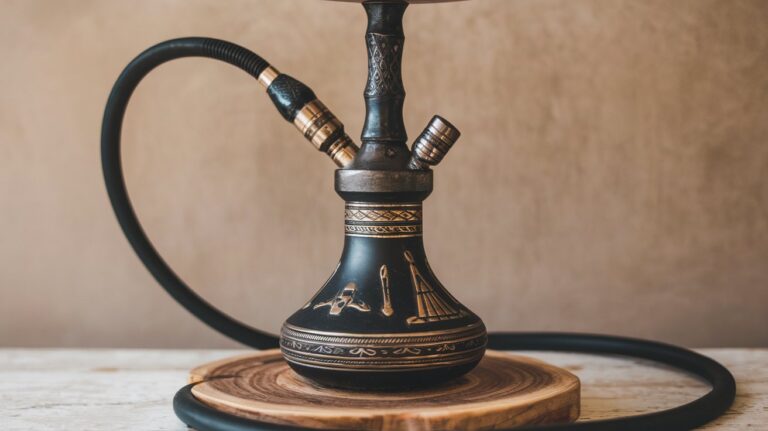
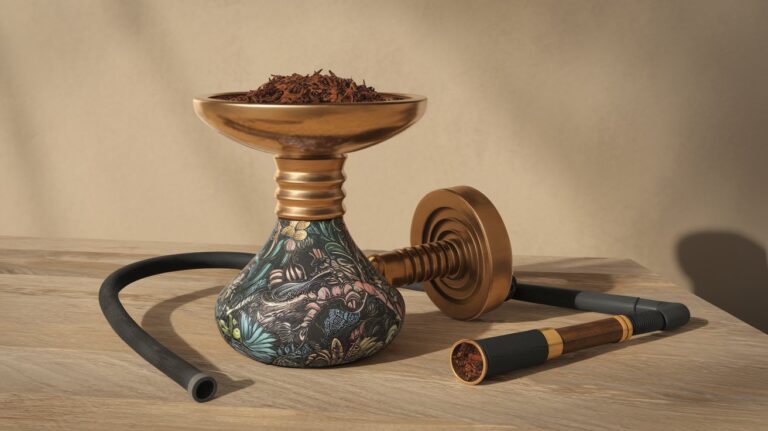
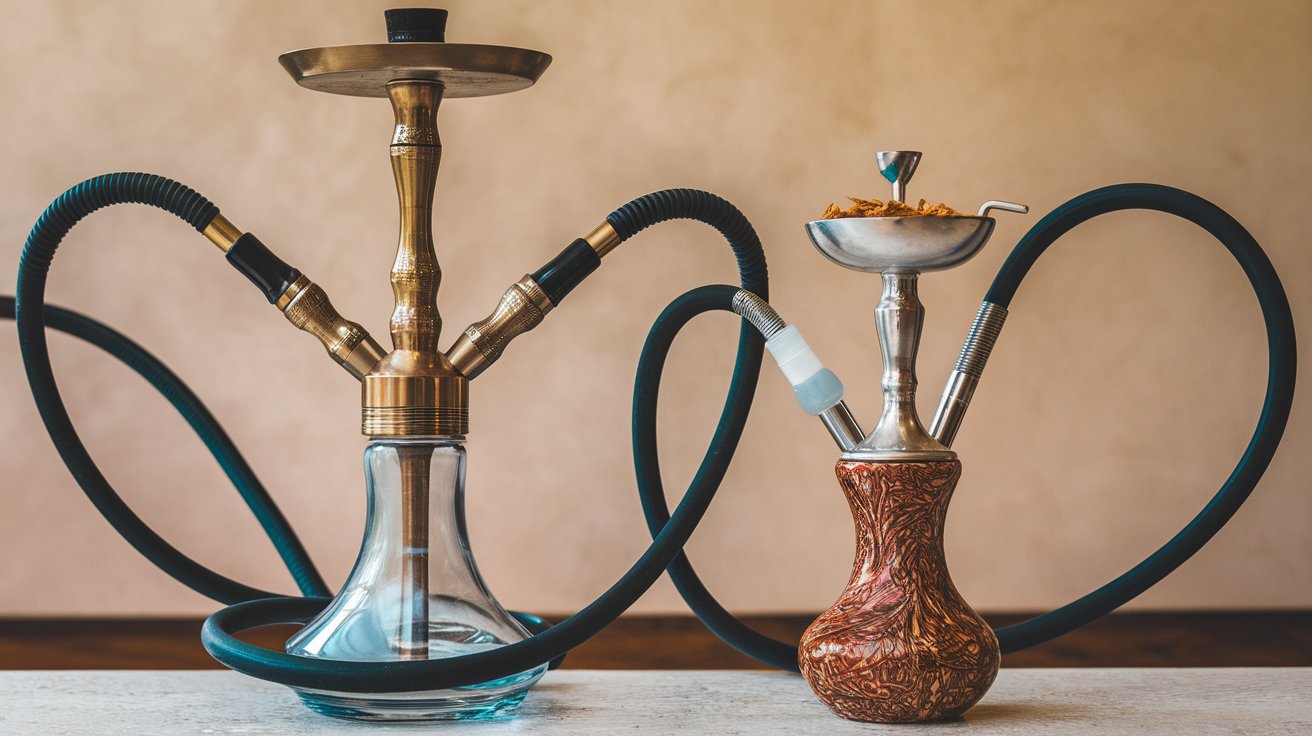
When examining the hookah components, the distinction between shisha and hookah becomes clearer from a technical perspective. The hookah device consists of several essential parts: the bowl where tobacco is placed, the stem that connects components, the water base for filtration, and the hose for inhalation. Each component plays a crucial role in the overall smoking experience and affects flavor delivery and smoke quality.
Shisha, specifically referring to the flavored tobacco mixture, contains molasses or honey, glycerin, and various flavorings combined with tobacco leaves. This mixture creates the sweet, aromatic smoke characteristic of hookah sessions. Modern shisha varieties include hundreds of flavors, from traditional options like apple and mint to contemporary blends featuring exotic fruits and dessert-inspired combinations that appeal to American consumers.
Hookah Device Structure
The hookah apparatus structure has remained largely unchanged for centuries, featuring a sophisticated design that efficiently cools and filters smoke. The bowl sits atop the hookah, connected by a metal stem that extends into the water-filled base. Multiple hoses can be attached, allowing several people to smoke simultaneously, which contributes to the social nature of hookah smoking in American lounges and private settings.
Shisha Tobacco Composition
Modern shisha tobacco composition varies significantly from traditional preparations, with manufacturers creating products specifically for Western markets. American-sold shisha typically contains 0.05% to 0.5% nicotine by weight, significantly lower than cigarettes. The molasses and glycerin content creates thick, flavorful clouds that define the contemporary hookah experience, while preservatives ensure longer shelf life for retail distribution.
Regional Usage in the United States
In the United States, hookah terminology usage varies by region and demographic factors. Major metropolitan areas with significant Middle Eastern populations, such as New York, Los Angeles, and Detroit, tend to maintain more traditional distinctions between shisha and hookah. However, in areas with less cultural connection to hookah’s origins, the terms are used completely interchangeably without regard for historical or technical differences.
American hookah lounges have played a significant role in shaping terminology preferences. Many establishments use hookah in their business names but refer to flavors and tobacco as shisha on their menus. This mixed usage reflects the pragmatic approach American businesses take toward accommodating customer expectations while maintaining authenticity. The result is a uniquely American interpretation of traditional Middle Eastern smoking culture.
Modern American Hookah Industry
The American hookah industry has experienced tremendous growth since 2000, with thousands of hookah lounges operating across the United States as of 2024. Industry reports indicate that hookah smoking among young adults aged 18-24 has increased by over 300% in the past two decades, driving demand for both traditional and innovative products that cater to American preferences and regulatory requirements.
Manufacturing and retail sectors have adapted to American market demands by creating hookah products specifically designed for Western consumers. This includes portable hookahs, electronic alternatives, and flavor profiles that appeal to American taste preferences. The industry has also developed comprehensive safety standards and quality control measures that exceed many international standards, reflecting American consumer expectations for product reliability and safety.
Market Growth Statistics
Recent market analysis shows the US hookah market reached approximately $1.2 billion in 2024, with projections indicating continued growth through 2025. This growth is driven by increasing social acceptance, premium product development, and the establishment of hookah smoking as a legitimate leisure activity among diverse demographic groups. The industry supports thousands of jobs across manufacturing, retail, and service sectors nationwide.
Consumer Demographics
American hookah consumers span diverse age groups and backgrounds, with the highest participation rates among college students and young professionals. Surveys indicate that 67% of American hookah smokers are between ages 18-29, while 23% are aged 30-45. This demographic diversity has influenced product development and marketing strategies, leading to more inclusive and accessible hookah experiences across different cultural communities.
Health Considerations and Regulations
Health authorities in the United States treat hookah smoking health effects similarly regardless of whether people call it shisha or hookah. The CDC and FDA have established clear guidelines stating that hookah smoking poses significant health risks, including exposure to toxic chemicals and increased risk of respiratory and cardiovascular diseases. These health considerations apply equally to all forms of water pipe tobacco smoking.
Federal and state regulations governing hookah tobacco sales use both terms interchangeably in legal documents, reflecting the practical reality that enforcement agencies recognize no meaningful distinction between shisha and hookah in health impact or regulatory compliance. Age restrictions, taxation policies, and public smoking bans apply consistently across all terminology used to describe water pipe tobacco products.
Social and Cultural Impact
The social aspects of hookah smoking have become deeply embedded in American social culture, particularly among college students and urban professionals. Hookah lounges serve as social gathering spaces where people meet, work, and socialize, creating a unique cultural phenomenon that blends traditional Middle Eastern hospitality with American social patterns. This social dimension remains consistent regardless of terminology preferences.
Cultural integration has led to distinctly American hookah traditions that differ from traditional practices in countries of origin. American hookah sessions often involve games, music, and food service that create comprehensive entertainment experiences. This evolution demonstrates how cultural practices adapt while maintaining core elements that define the activity, whether called shisha or hookah.
Practical Usage Guidelines
For practical purposes in the United States, understanding whether shisha and hookah are the same matters less than understanding proper usage, safety protocols, and legal compliance. American consumers can use either term when purchasing products or visiting establishments, as vendors and service providers understand both references. The key focus should be on product quality, safety standards, and responsible consumption practices.
When shopping for hookah equipment or shisha tobacco, American consumers benefit from understanding that quality standards and regulatory compliance matter more than terminology preferences. Reputable retailers provide detailed product information regardless of whether they use shisha or hookah terminology, ensuring customers receive accurate information about ingredients, origins, and usage instructions for optimal and safe experiences.
Related video about is shisha and hookah the same thing
This video complements the article information with a practical visual demonstration.
FAQ – Common Questions
Are shisha and hookah exactly the same thing?
Technically, hookah refers to the water pipe device while shisha refers to the flavored tobacco mixture smoked in it. However, in the United States, both terms are commonly used interchangeably to describe either the device or the tobacco. This usage has become widely accepted in American hookah culture and commercial settings.
Why do people use shisha and hookah interchangeably in America?
American hookah culture evolved as Middle Eastern smoking traditions spread to Western countries. Businesses and consumers adopted both terms without strict adherence to original distinctions, leading to interchangeable usage. This linguistic adaptation reflects how cultural practices evolve when integrated into new societies and markets.
Does the terminology difference affect the smoking experience?
No, the terminology used does not affect the actual smoking experience. Whether called shisha or hookah, the process involves the same equipment, tobacco preparation, and inhalation methods. The quality of the device and tobacco mixture determines the experience, not the names used to describe them.
Which term should I use when visiting a hookah lounge?
Both terms are widely understood in American hookah lounges. Many establishments use hookah in their business names but refer to tobacco flavors as shisha on menus. Staff will understand either term, so use whichever feels more natural or matches the establishment’s preferred terminology.
Do health risks differ between shisha and hookah?
Health risks remain identical regardless of terminology used. The CDC and FDA treat all water pipe tobacco smoking equally in health warnings and regulations. The tobacco mixture and smoking method create the same health considerations whether called shisha, hookah, or any other regional name.
How has American hookah terminology evolved since 2000?
Since 2000, American usage has become increasingly flexible, with both terms gaining equal acceptance in commercial and social contexts. The growth of hookah lounges and retail businesses has standardized interchangeable usage, moving away from strict traditional distinctions toward practical communication that serves diverse American consumers effectively.
| Aspect | Traditional Definition | American Usage |
|---|---|---|
| Hookah | Water pipe device | Device or tobacco mixture |
| Shisha | Flavored tobacco mixture | Device or tobacco mixture |
| Health Impact | Same regardless of term | Same regardless of term |
| Commercial Use | Regional preferences | Interchangeable acceptance |